See all
Save the dates of your favorite races Synchronize your calendars
See all
Stage

14

Saturday 23
May 2026

133 km
Altitude Gain 4350 m

Starting in

D ::

Aosta -

Pila

(Gressan)

profile

map

technical info

Route
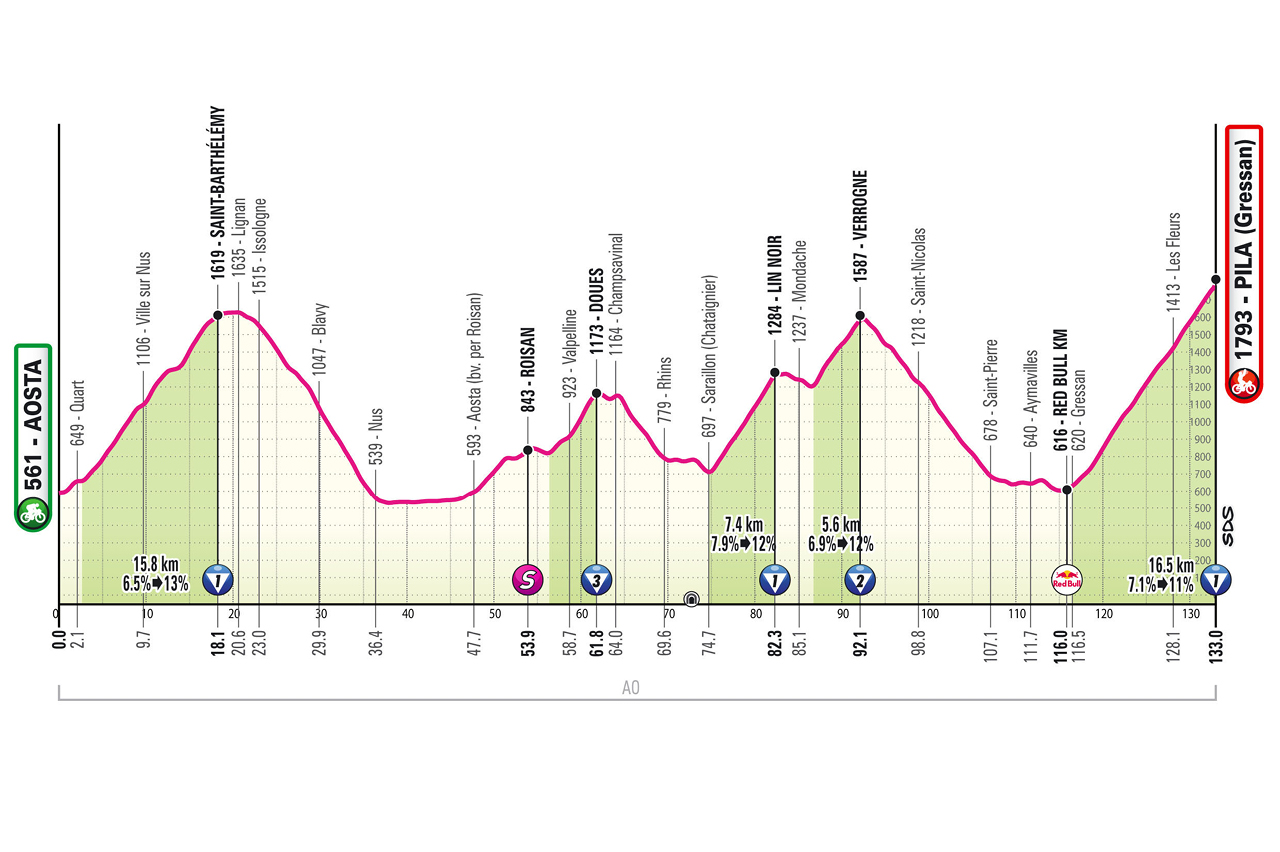
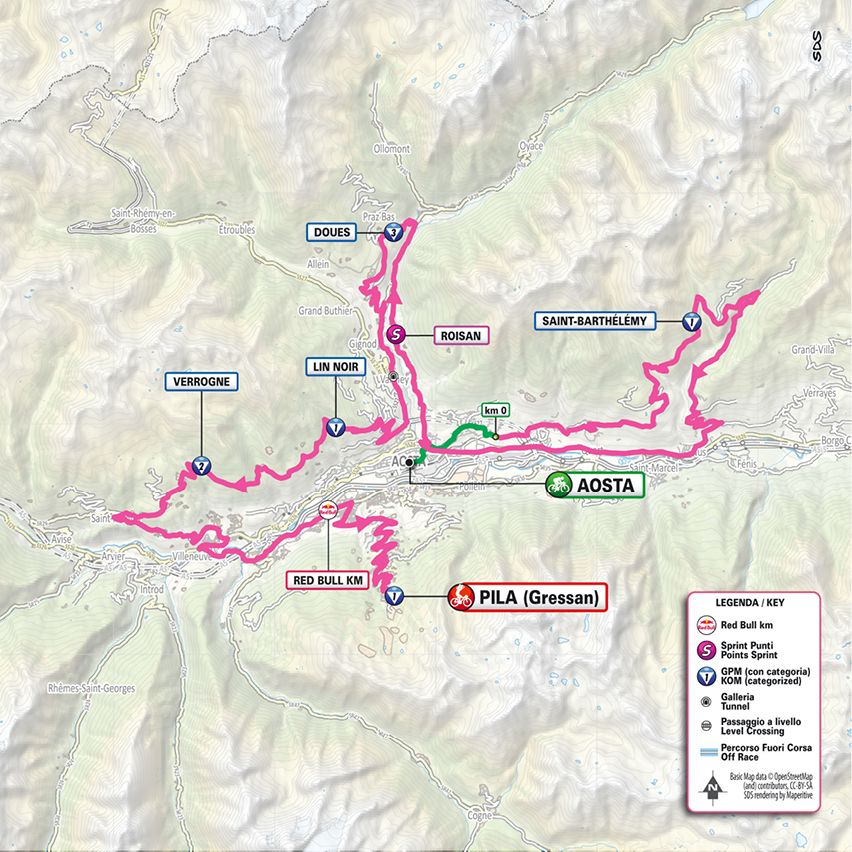
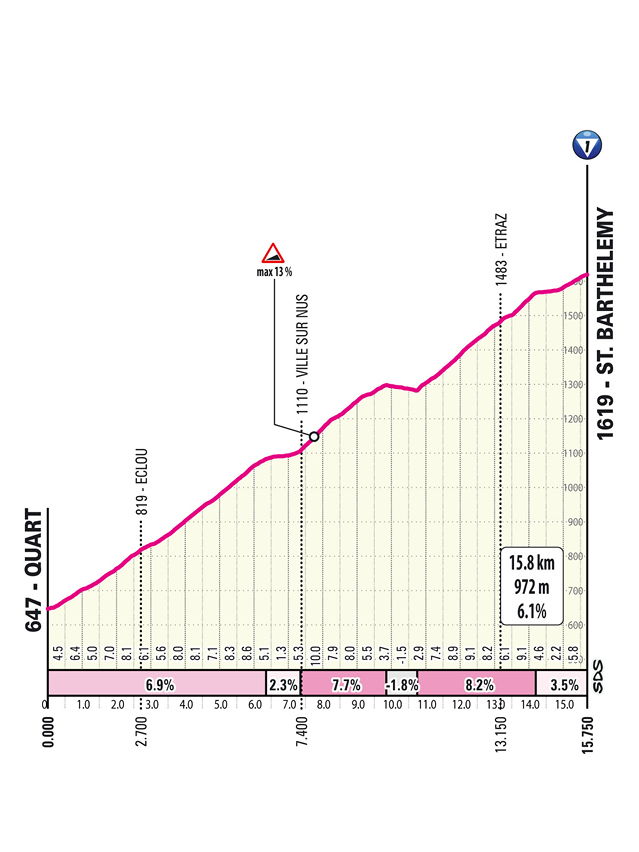
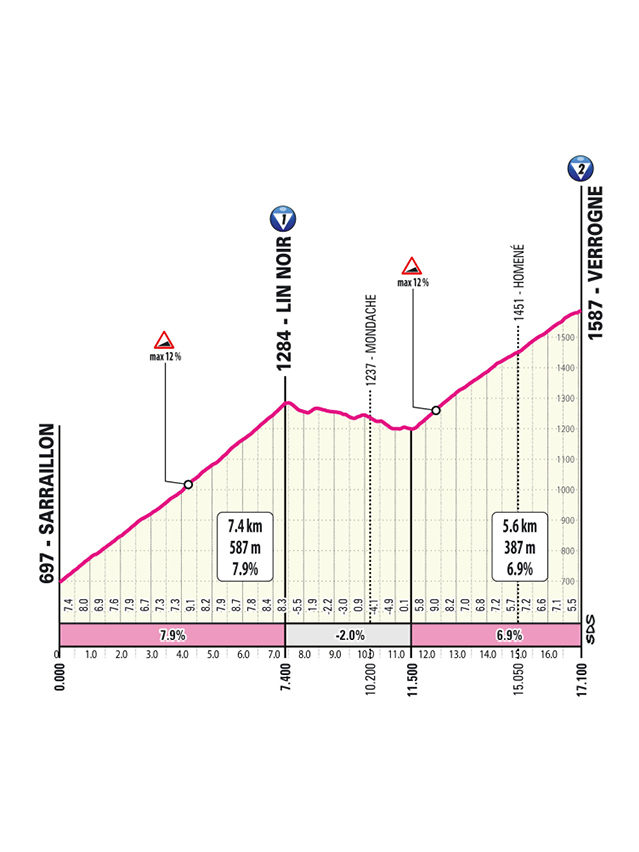
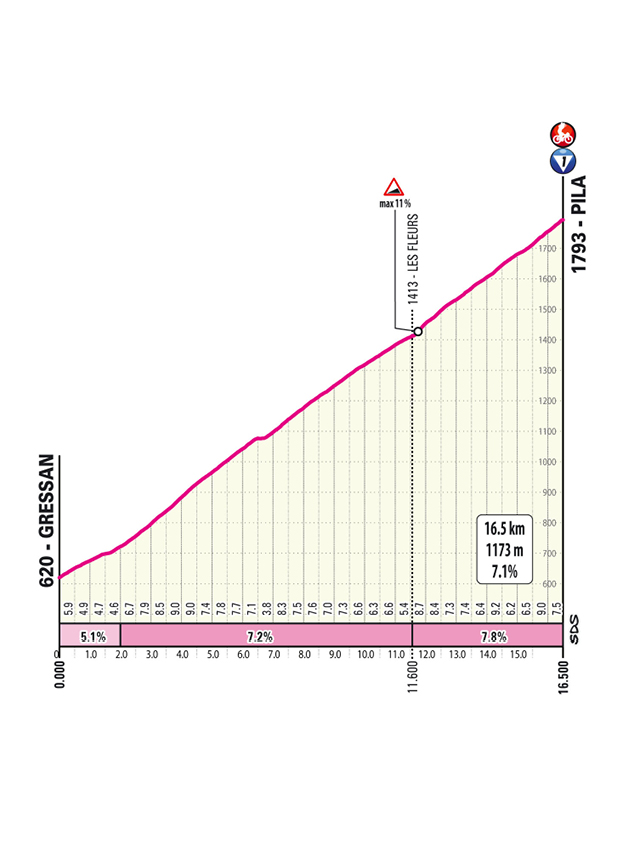
Major Alpine mountain stage made up of a continuous sequence of climbs and descents, with virtually no recovery sections in between. Right from the start, the route climbs the long ascent to Saint-Barthélémy, followed by a wide and fast descent of almost 20 km. After a short approach section towards Aosta, the road climbs again through the Valpelline, culminating at Doues, the least demanding climb of the day. After descending again near Aosta, riders tackle the climbs of Lin Noi and Verrogne, separated by a very short descent, and then, back in the valley, the final climb to Pila (Gressan side).
Final kilometres
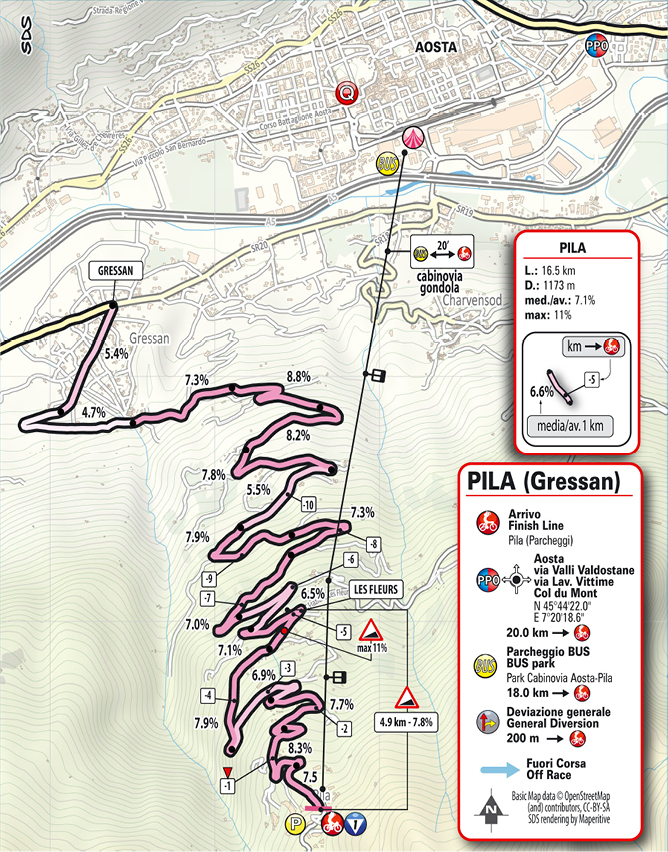
The final kilometres are all uphill at around 9%, with gradients reaching about 11% at 3 km from the finish. Final straight of 100 m, still uphill, on 7 m wide asphalt.

start / finish

climb detail

final kilometres

itinerary timetable

Strava Route

  • profile
  • map
  • technical info
  • start / finish
  • climb detail
  • final kilometres
  • itinerary timetable
  • Strava Route
Save the dates of your favorite races and receive all the informations about the races

tourist info

Host city:

start
finish

Aosta


Overview

The capital of the Aosta Valley, Aosta lies in the heart of the Alps at the confluence of several major valleys leading to key Alpine passes. Founded by the Romans in 25 BC under the name Augusta Praetoria, it preserves one of the best-preserved Roman archaeological complexes in northern Italy, including city walls, monumental gates, a theatre and the Arch of Augustus. During the Middle Ages, the city retained an important strategic and administrative role, enriching itself with religious and civic buildings. Today, Aosta is the political and cultural centre of the region.

Gastronomy

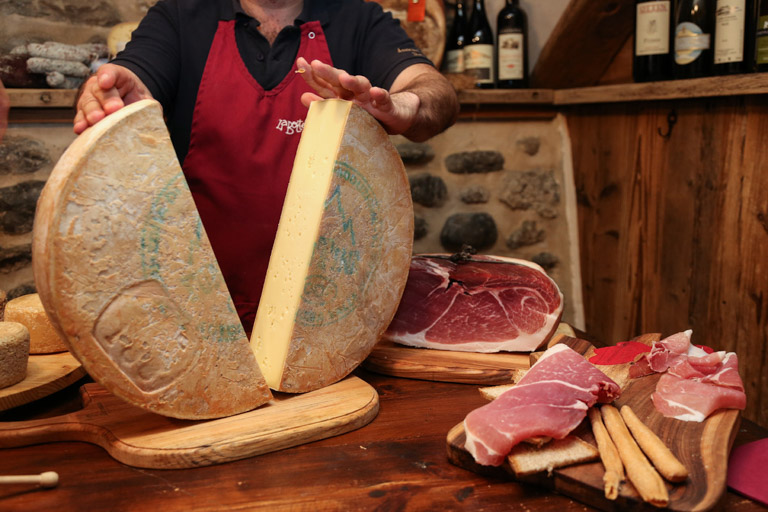
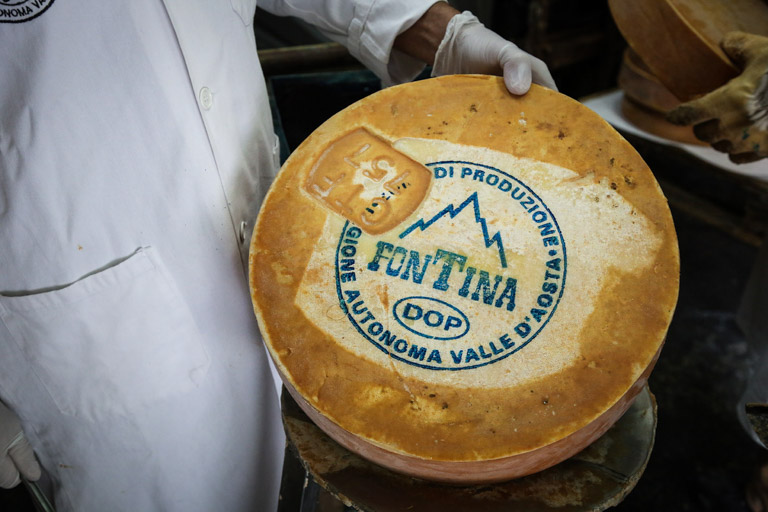
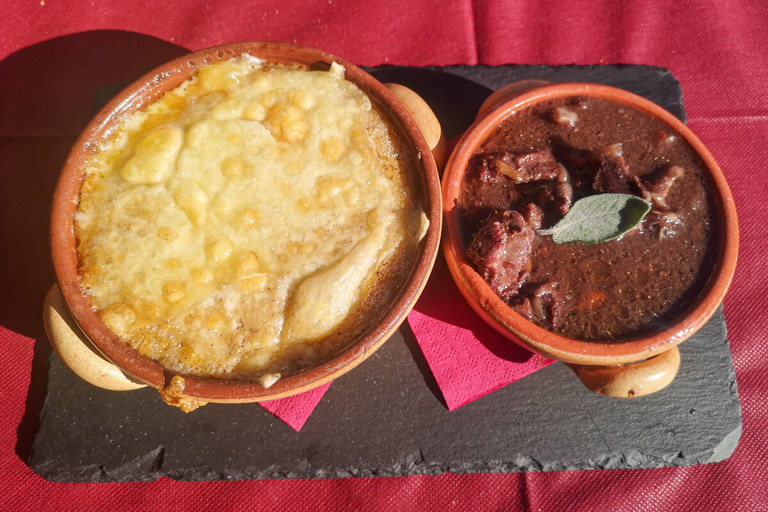
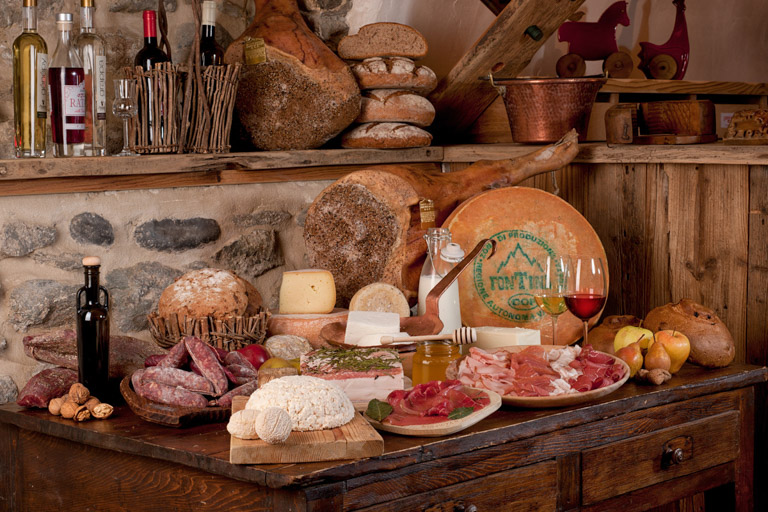
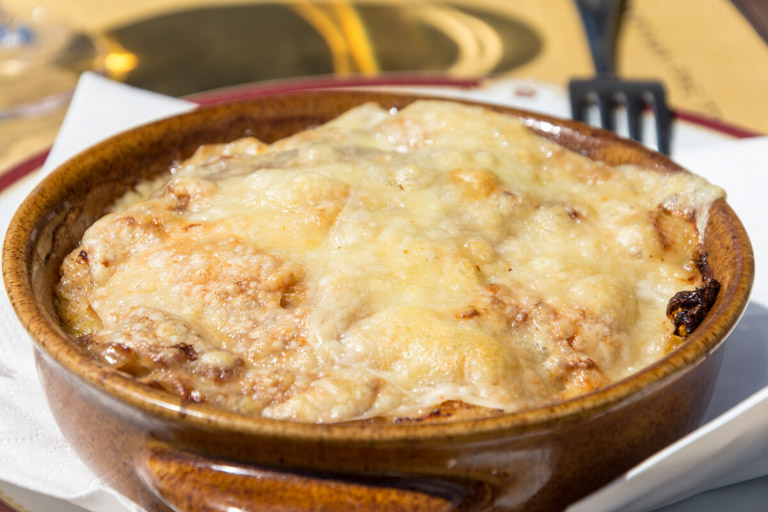
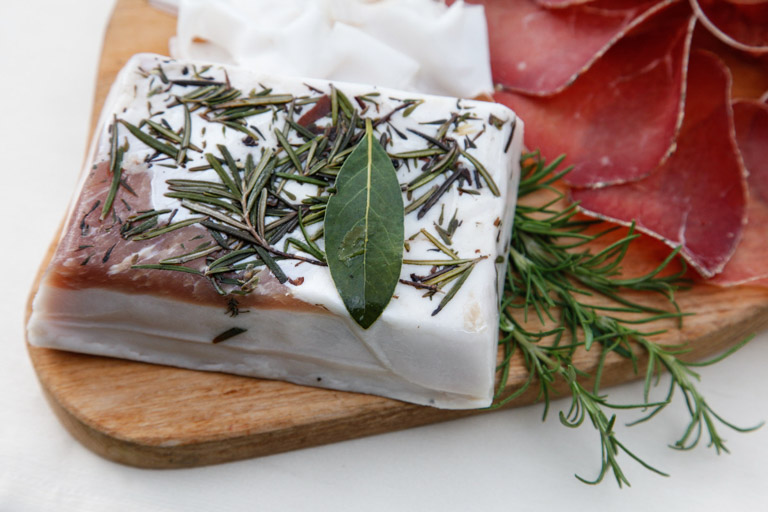
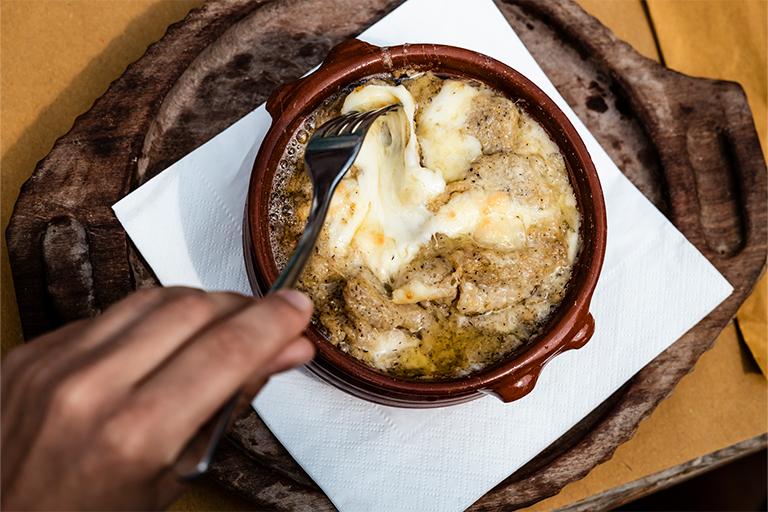
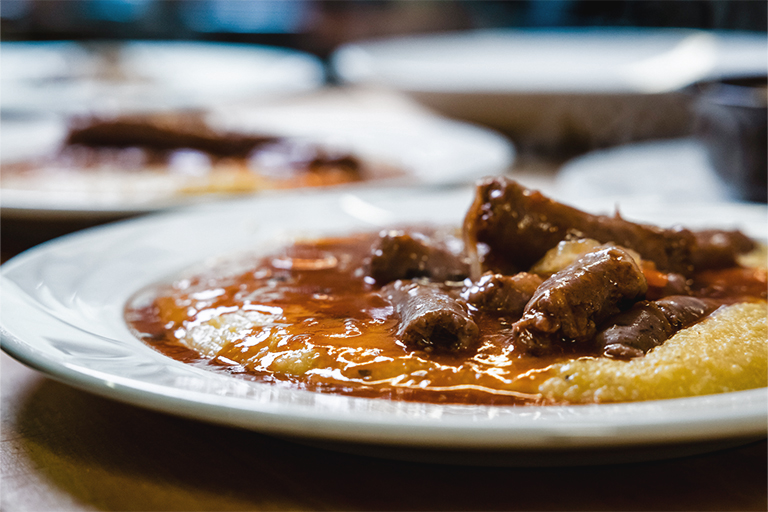
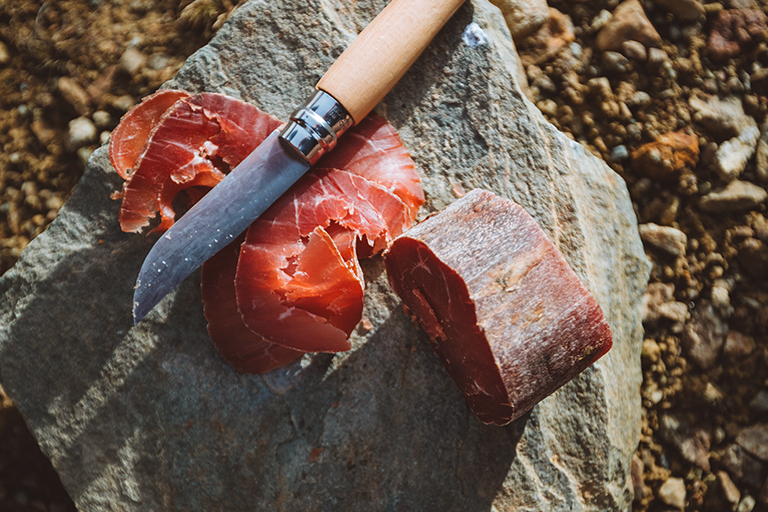
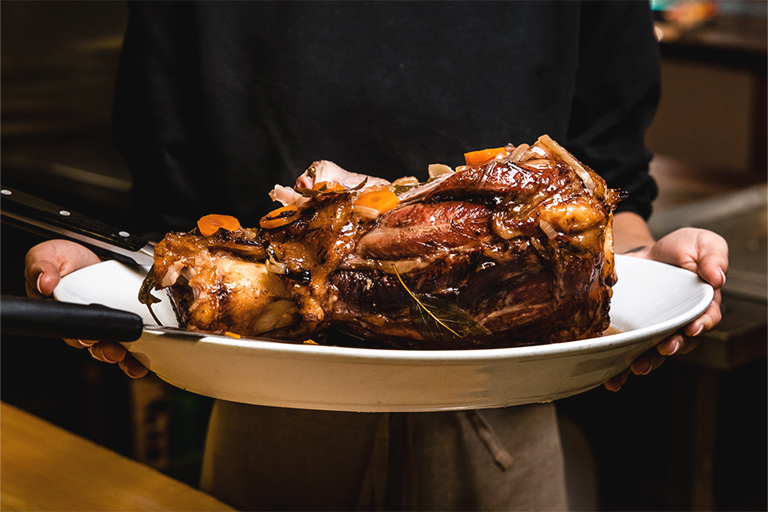
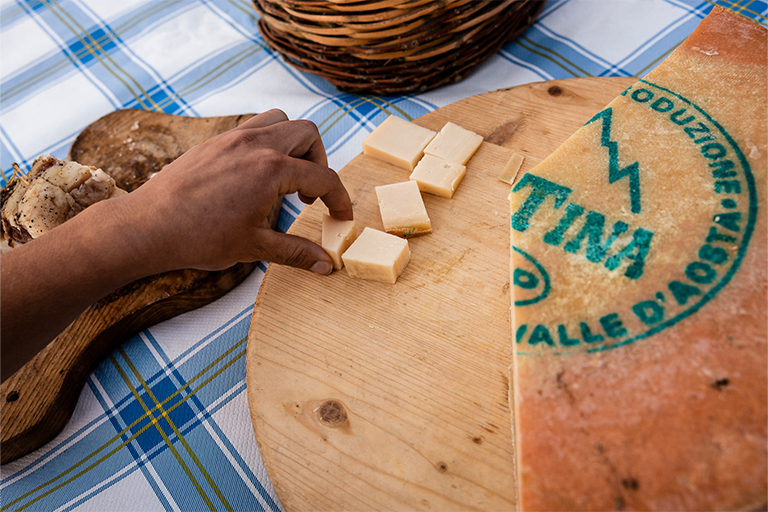
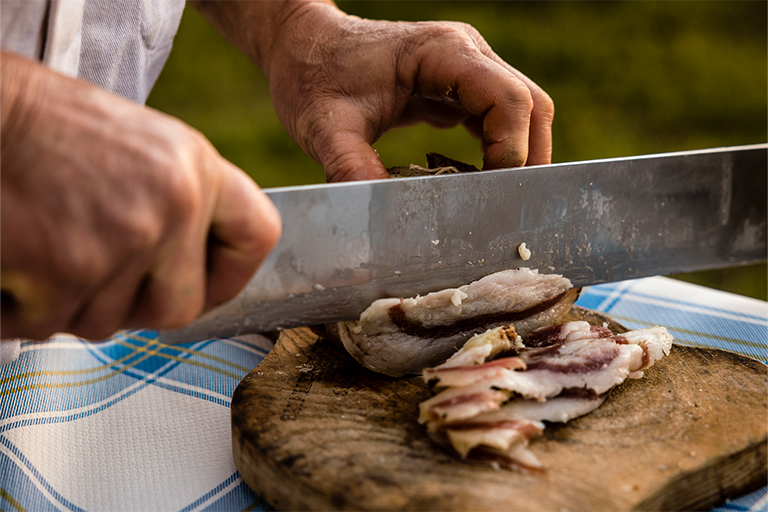
Aosta’s gastronomy is a true expression of Alpine tradition, built on high-quality ingredients and hearty, comforting dishes. At its heart is Fontina DOP, the region’s signature cheese, known for its rich, melting texture and intense flavour, forming the base of many local recipes. Alongside it stands Lardo di Arnad DOP, delicately cured with Alpine herbs that enhance its refined taste. Among the most iconic dishes is polenta concia, enriched with Fontina and butter and often served with slow-cooked meats. The cuisine is completed by specialties such as seupa vapelenentse, a rustic soup of bread, cabbage, and cheese, and by generous platters of cured meats and cheeses that showcase the biodiversity and culinary heritage of the region.

Wine and other drinks

The Aosta Valley’s winemaking tradition is shaped by the extreme conditions of its Alpine environment. Among the whites, Blanc de Morgex et de La Salle DOC stands out, produced from some of the highest vineyards in Europe and known for its freshness and minerality. Red wines include Torrette DOC, balanced and versatile, Fumin, more structured and intense, and Petit Rouge, a symbolic native variety. Aromatic wines such as Chambave Moscato, often also produced in a passito style, add further richness to the local offering. Alongside wine, traditional drinks include Genepy, an herbal liqueur made from Alpine plants, and a variety of bitters infused with mountain botanicals, directly reflecting the character of the territory.

Highlights & Landmarks

Aosta preserves a remarkable historical and cultural heritage that spans from Roman times to the Middle Ages. Among its most iconic landmarks is the Arch of Augustus, erected in 25 BC to mark the foundation of the city and still standing as a powerful symbol of its origins.

The Roman urban layout is clearly visible in structures such as Porta Praetoria, one of the main gates of the ancient city, exceptionally well preserved and integrated with later medieval elements like the Tower of the Lords, illustrating the continuity of settlement over time. Equally striking is the Roman Theatre, with its towering façade rising over 20 metres, now used as a venue for cultural events.

The religious heritage is represented by the Collegiate Church of Saints Peter and Orso, a complex of great historical and artistic value, featuring a Romanesque bell tower and a medieval cloister set in a picturesque environment enriched by a monumental linden tree. In the surrounding area, notable architectural and landscape features include the Grand Arvou Aqueduct, an impressive medieval structure suspended over a natural gorge, showcasing Alpine engineering at its finest. Among the castles, the Castle of Aymavilles, an elegant Renaissance residence with cylindrical towers, and the Castle of Saint-Pierre, dramatically perched on a rocky spur and now home to the Museum of Natural Sciences, stand out.

Also well worth a visit is the village of Saint-Nicolas, offering an authentic glimpse into the rural landscape of the Aosta Valley and the deep connection between community, agriculture, and the mountain environment.

Pila


Overview

Pila is an alpine resort in the Aosta Valley, located within the municipality of Gressan, above the city of Aosta. It sits on a wide natural terrace overlooking the central basin of the valley and enjoys a panoramic position surrounded by some of the highest peaks in the Alps. Established as a ski resort in the post-war period, Pila is directly connected to Aosta by a cable car and represents one of the region’s main tourist destinations. Alongside its winter vocation, the resort is now also popular during the summer season, thanks to its hiking trails and high-altitude natural environment.

Gastronomy

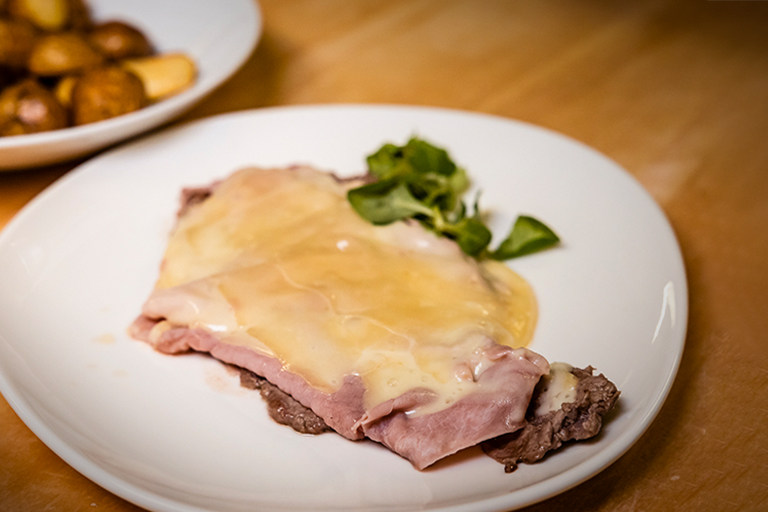
The culinary tradition of Pila and the Gressan area reflects the richness of Valdostan cuisine, deeply rooted in the Alpine environment. Among its most iconic products is Fontina DOP, the region’s signature cheese, alongside cured meats such as Lardo d’Arnad DOP, mocetta, and Jambon de Bosses DOP. Local produce also includes Gressan apples, grown in a particularly favourable microclimate. The cuisine features hearty, comforting dishes such as fonduta alla valdostana, polenta concia, carbonada, and cotoletta alla valdostana, as well as traditional recipes like seupa à la vapelenentse, an authentic expression of mountain food culture.

Wine and other drinks

The Aosta Valley is distinguished by a winemaking tradition shaped by mountain conditions and native grape varieties. Among the reds, Petit Rouge stands out for its versatility and fruity character, alongside Fumin, more structured and spicy, and Torrette, a balanced wine that truly represents the valley. Beyond wine, local traditions include distinctive beverages such as Génépi, an Alpine herbal liqueur, as well as a variety of grappas and spirits infused with natural essences like yarrow, dandelion, tobacco, and absinthe – often enjoyed as digestifs.

Highlights & Landmarks

Set within the municipality of Gressan and overlooking the Aosta basin, Pila is an alpine destination where nature, sport, and high-altitude panoramas come together. Directly connected to the city by cable car, it offers a privileged gateway to the mountain environment. The area features an extensive network of trails for trekking and trail running, as well as routes for mountain biking and family-friendly itineraries.

A defining landmark is the Pila Star, a panoramic point at 2,723 metres offering sweeping 360° views across the Alps, including Mont Blanc, the Matterhorn, Monte Rosa, and Gran Paradiso. Outdoor highlights include the internationally recognised Pila Bike Park, with trails winding through forests and open slopes, alongside areas dedicated to e-bikes, cross-country, and technical training.

The territory also offers more accessible experiences, such as the Adventure Park set among the trees, and natural sites like Lake Chamolé, an alpine lake easily reached and surrounded by high-altitude pastures. Nearby stands the Christ of Chamolé, a scenic and spiritual viewpoint.

Among the area’s most evocative spots is the Hermitage of San Grato, a natural balcony overlooking the valley, immersed in woodland. In the surroundings, Gressan preserves historic sites such as Maison Gargantua, an ethnographic centre and starting point for nature trails, and the La Tour de Villa Castle, a medieval complex with views over the plain.

Completing the picture is the proximity to Aosta, a Roman-founded city visible from above with its major monuments, set within a landscape that seamlessly blends ancient history with the dramatic beauty of the Alps.

Follow us
#giroditalia

top sponsor

institutional partners

official suppliers

official licensees