Overview
The capital of the Canton of Ticino, Bellinzona occupies a strategic position at the gateway to the main Alpine routes linking northern and southern Europe, in particular the San Gottardo, San Bernardino and Lucomagno passes. The city is renowned for its outstanding medieval defensive system, made up of the castles of Castelgrande, Montebello and Sasso Corbaro, which are recognised as a UNESCO World Heritage Site. The historic centre retains a compact layout, with squares and civic buildings that reflect the city’s long-standing administrative role.
Gastronomy
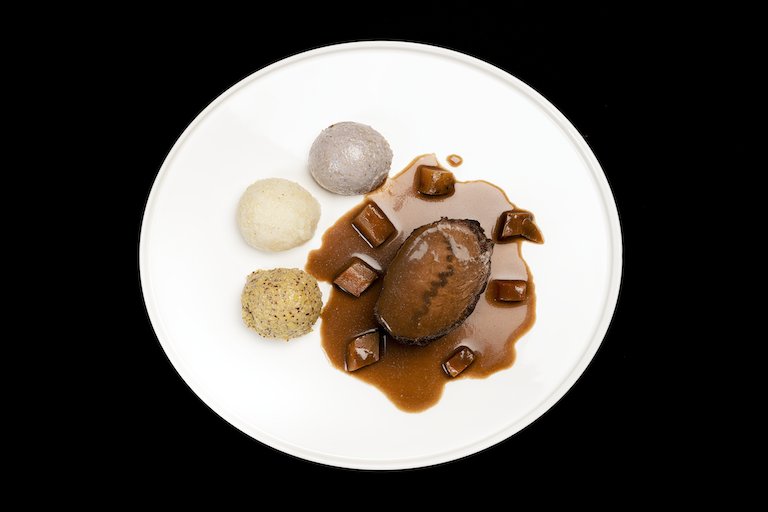
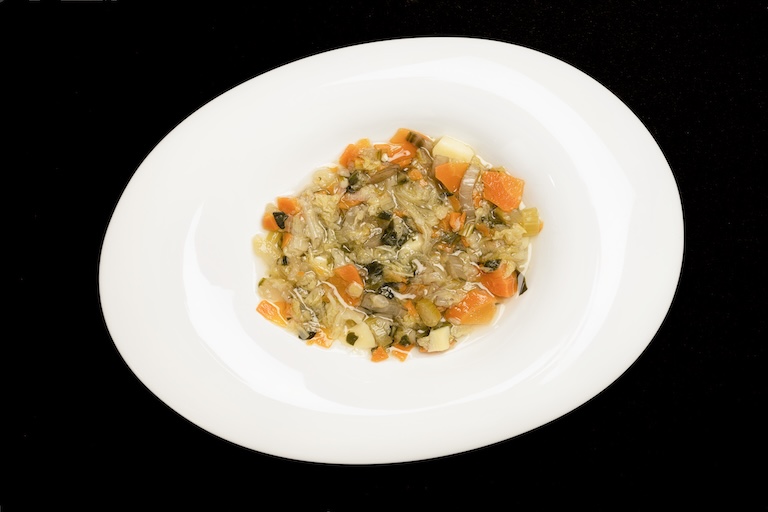
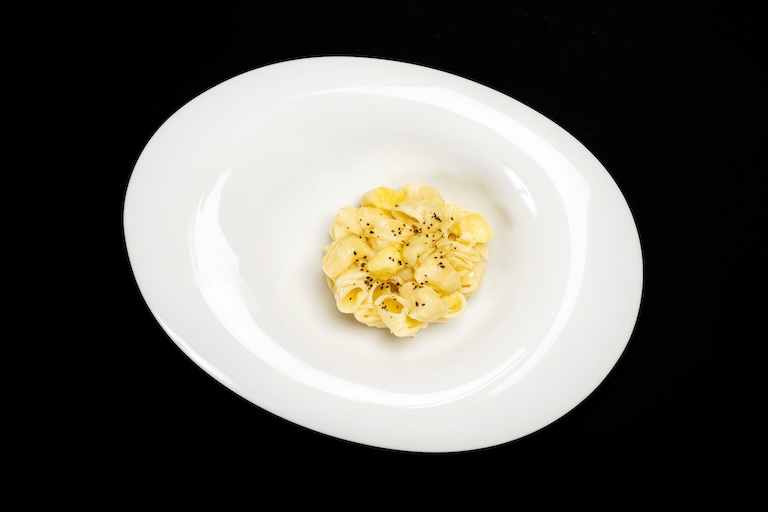
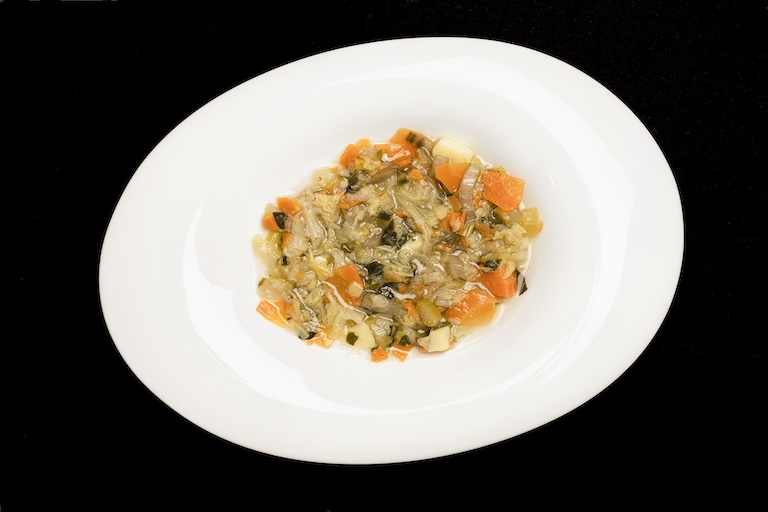
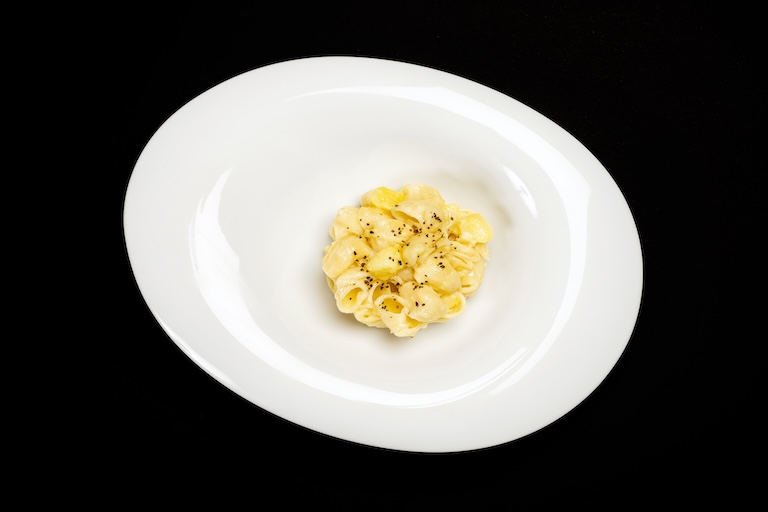
Bellinzona’s gastronomy reflects a harmonious meeting of Alpine tradition and Lombard-Mediterranean influences. In the region’s traditional grotti, convivial dining revolves around simple, authentic dishes such as polenta, braised meats, and luganighe, alongside risottos and vegetable soups. Among the local highlights are alpine cheeses, produced in the surrounding valleys and shaped by the rich mountain flora, giving them intense and distinctive aromas. The sweet tradition is represented by bissoli, refined chocolate medallions with a soft filling. The region’s deep culinary roots are also reflected in the legacy of Maestro Martino, a key figure of Renaissance gastronomy who originated from this area
Wine and other drinks
The Ticino region offers a winemaking tradition of strong character, shaped by a climate influenced by nearby lakes and Mediterranean conditions. Merlot is the emblematic grape variety, accompanied by Bondola, a more traditional local expression. Alongside wine, typical beverages include Ticinese grappa, known for its intense aromatic profile, and nocino, a liqueur made from green walnuts. A distinctive local specialty is gazzosa, a lightly sparkling, sweet drink widely enjoyed in Italian-speaking Switzerland. The region’s wine culture is also celebrated through events that highlight its deep connection to the territory.
Highlights & Landmarks
Bellinzona’s heritage is dominated by one of the most important fortified systems in the Alpine arc: the Bellinzona Fortress, a UNESCO World Heritage Site comprising Castel Grande, Montebello, and Sasso Corbaro. These three medieval castles, linked by defensive walls, tell the story of the city’s strategic importance and offer spectacular views over the Ticino Valley.
In the historic centre stands the Collegiate Church of Saints Peter and Stephen, a fine example of Renaissance architecture with a stone façade and richly decorated interiors. The city comes alive each week with the traditional Saturday market, which transforms its squares into vibrant spaces filled with local products, crafts, and gastronomy.
Cultural highlights include Villa dei Cedri, an art museum set in a 19th-century residence surrounded by a historic park. Nearby, visitors can explore striking sites such as the Carasc Tibetan Bridge, one of the most impressive in the region, and the restored village of Curzútt with the Church of San Barnárd.
The surrounding area offers a wealth of natural and historical routes, including the Morobbia Valley, with its hiking trails and traces of mining activity, and the Fortini della Fame, a 19th-century defensive line immersed in nature. Among the most evocative locations is the Monastery of Claro, set in a panoramic position among chestnut forests.
Completing the picture is Mornera, a natural terrace overlooking the Bellinzona region, a gateway to mountain excursions and outdoor experiences in a landscape of outstanding Alpine beauty.