Imperia
Overview
Located in western Liguria along the Riviera dei Fiori, Imperia is a coastal city overlooking the Ligurian Sea at the mouth of the Impero stream. Founded in 1923 through the merger of the historic centres of Oneglia and Porto Maurizio, it still retains a dual urban identity today. Porto Maurizio is built around the Parasio promontory, with a compact and panoramic historic layout, while Oneglia has a more commercial and port-oriented character. Historically linked to olive oil production, Imperia brings together maritime tradition, coastal scenery and a hilly hinterland that strongly shapes the character of the area.
Gastronomy
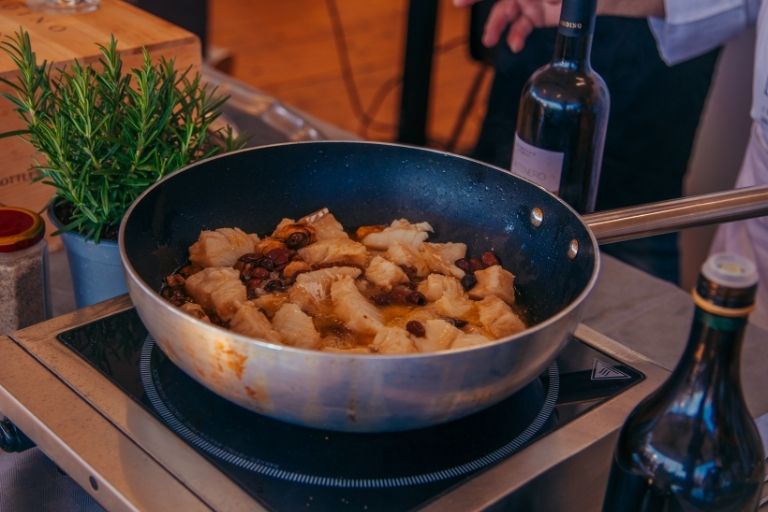
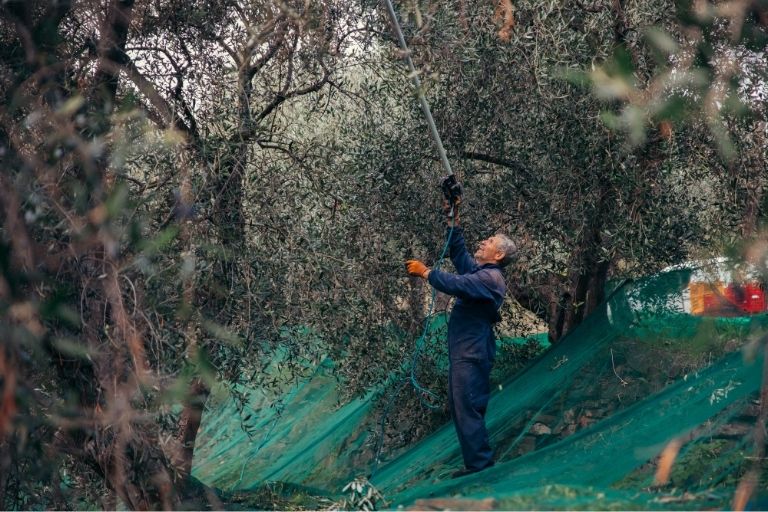
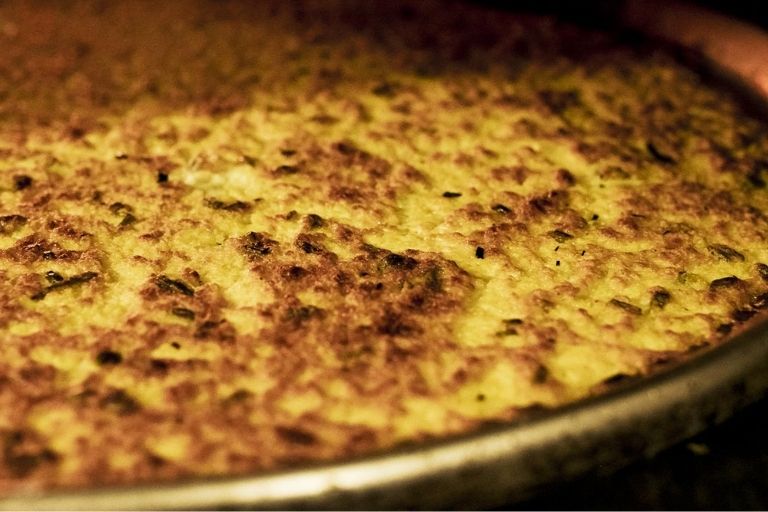
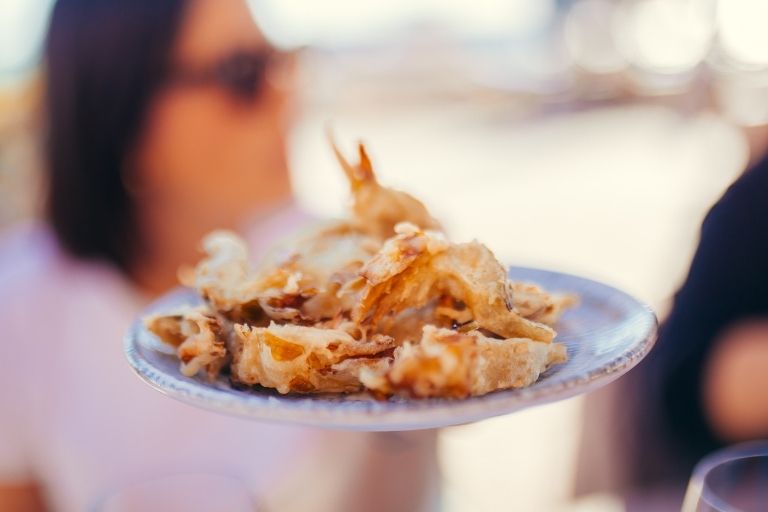
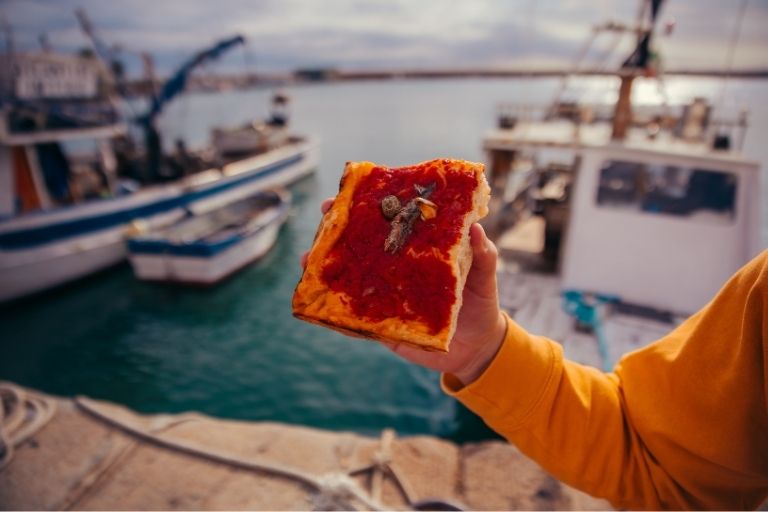
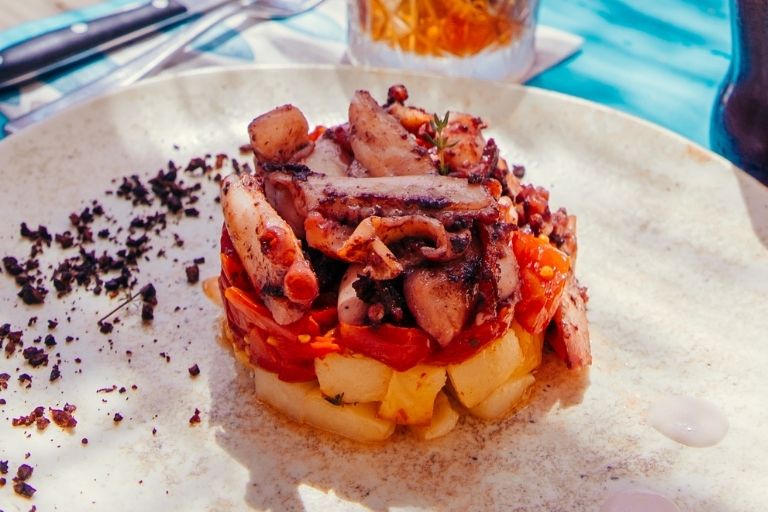
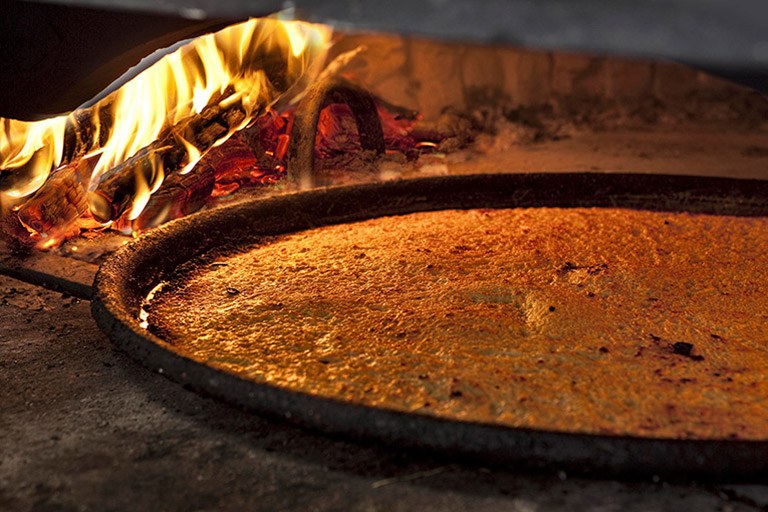
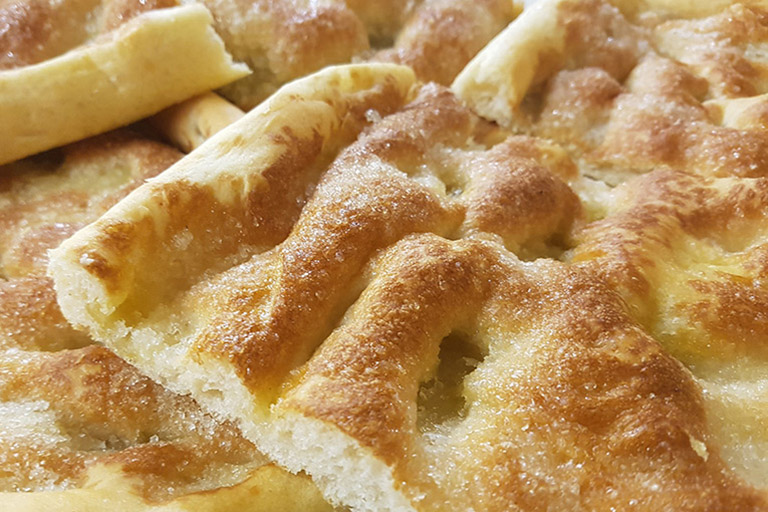
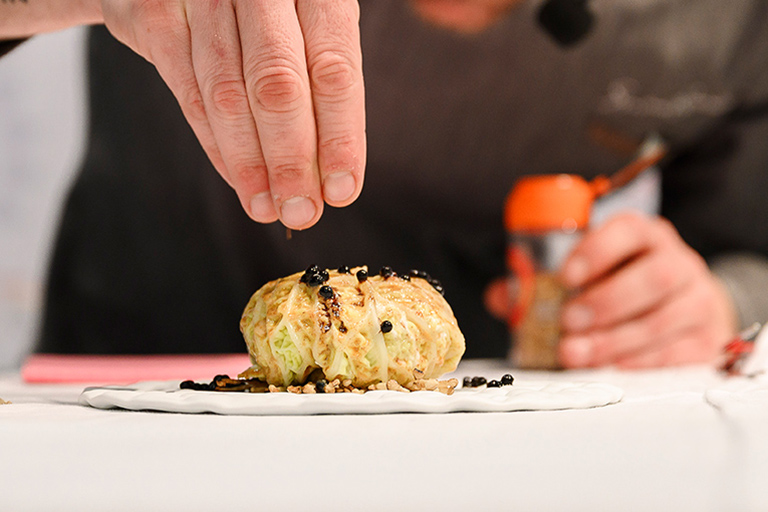
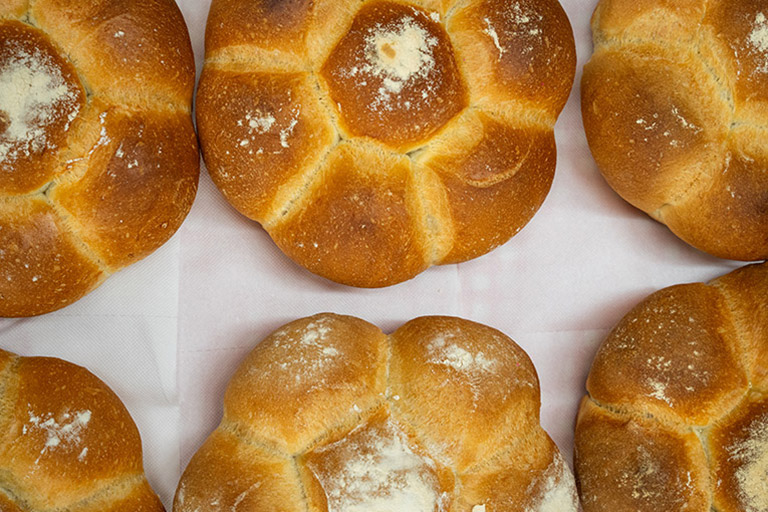
Imperia’s culinary tradition reflects the essence of the Ligurian Riviera, shaped by a close connection to the sea and the richness of local produce. Among its signature dishes is pizza all’Andrea (or pissalandrea), topped with onions, anchovies, and, in its more recent version, tomato. Another local staple is farinata, known here as frisciolata, often enriched with spring onions. One of the most emblematic dishes is stoccafisso all’imperiese, prepared with extra virgin olive oil and Taggiasca olives. At the heart of the local cuisine is precisely this Taggiasca extra virgin olive oil, prized for its delicate, slightly almond-like flavour. Altogether, Imperia’s gastronomy expresses a perfect balance between maritime tradition and the products of its inland hills.
Wine and other drinks
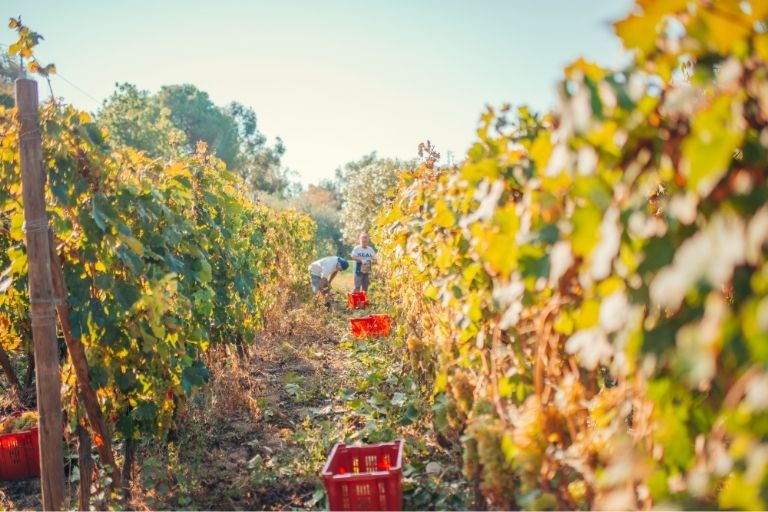
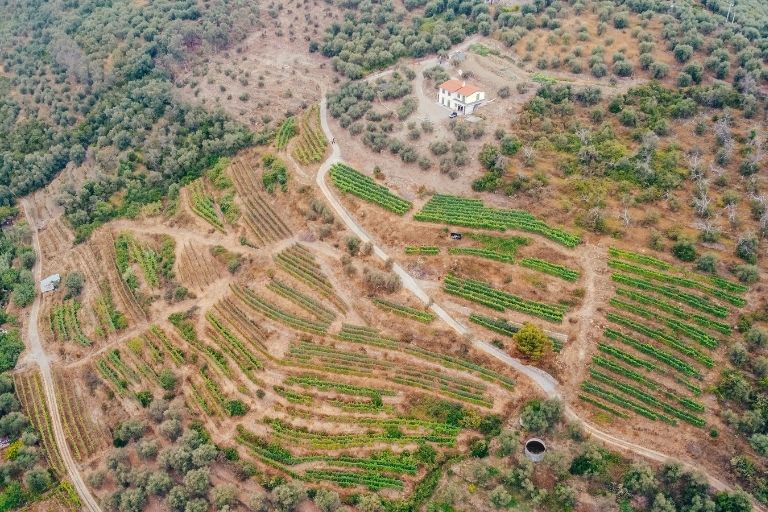
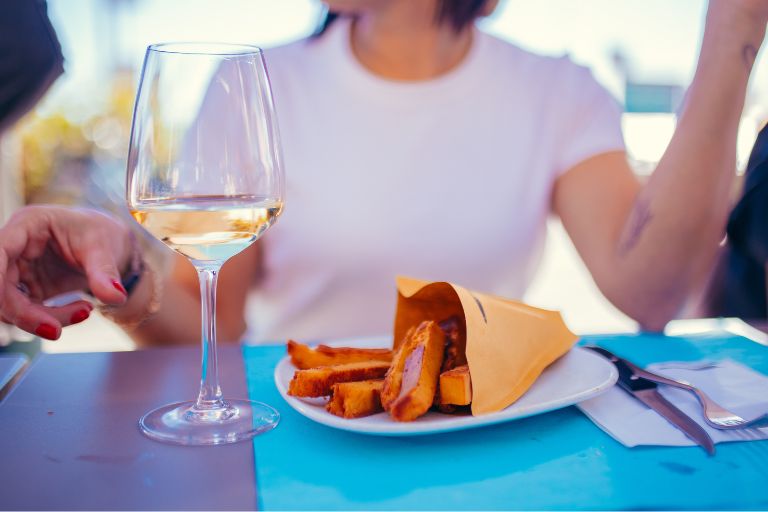
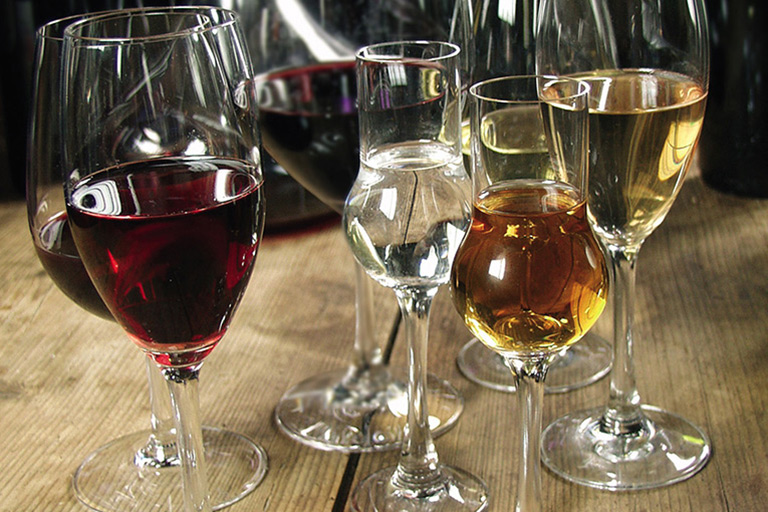
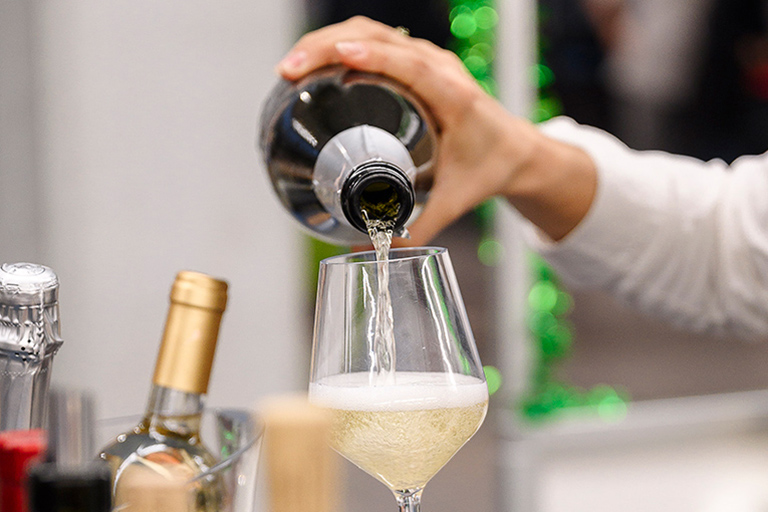
The Imperia area boasts a long-established winemaking tradition, shaped by terraced vineyards overlooking the sea. Among the whites, Pigato and Vermentino stand out, both known for their aromatic profiles and savoury notes, making them ideal companions to local cuisine. On the red side, Ormeasco – derived from Dolcetto – offers structure and depth, alongside other typical wines from the Riviera di Ponente. Together, these wines express the identity of the territory, reflecting a perfect balance between Mediterranean climate and local agricultural tradition.
Highlights & Landmarks
Imperia’s heritage is shaped by its dual identity, formed in 1923 through the union of Oneglia and Porto Maurizio – two distinct centres with their own histories and traditions. Oneglia retains a medieval urban layout, centred around Piazza Dante and the lively port of Calata Cuneo, a vibrant area filled with restaurants and local activity. Porto Maurizio, by contrast, rises on a promontory overlooking the sea, with the Parasio – its historic heart – featuring narrow alleys, elegant buildings, and sweeping panoramic views.
The city’s connection to the sea is ever-present, seen in coastal districts such as Borgo Marina, Borgo Foce, and Prino, as well as along the Passeggiata degli Innamorati, a scenic seaside promenade. The Riviera dei Fiori Cycle Path offers one of the most picturesque routes along the coast, linking Imperia with nearby towns.
Imperia also boasts a rich cultural network, including Villa Grock – Museum of the Clown, Villa Faravelli with its Museum of Contemporary Art, and the Naval Museum, which explores the city’s maritime heritage. The Planetarium, one of the most important in Italy, adds a strong scientific dimension to the cultural landscape. Among the city’s key cultural venues is the Teatro Cavour, at the heart of its artistic life. Imperia also hosts internationally recognised events such as the Vele d’Epoca, celebrating historic sailing. Beyond the city, the surrounding territory – dotted with inland villages and olive groves – completes a landscape where maritime tradition, culture, and natural beauty come together seamlessly.
Novi Ligure
Overview
Located at the south-eastern edge of Piedmont, Novi Ligure has historically served as a link between the Po Valley and the Ligurian Apennines. The town developed as a commercial and manufacturing centre, thanks to its position along major routes connecting northern Italy with the coast. Its urban fabric retains a well-ordered 19th-century layout, with squares and main thoroughfares reflecting the city’s growth during the industrial era. Novi Ligure is also historically associated with confectionery and chocolate production.
Gastronomy
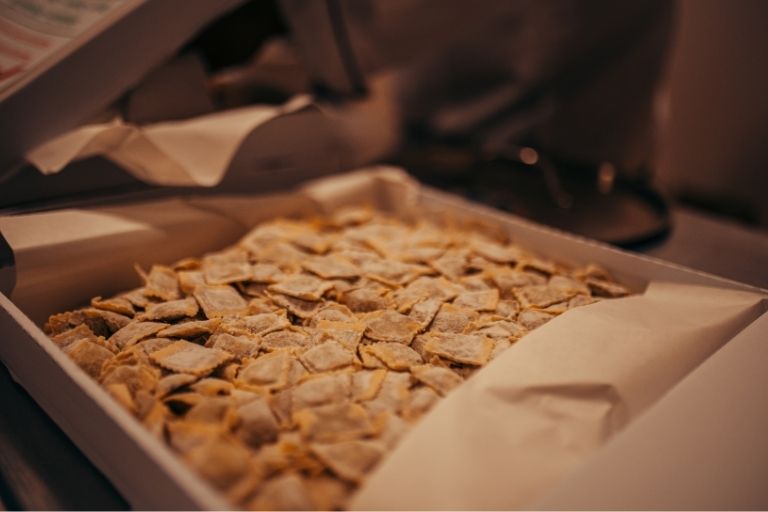
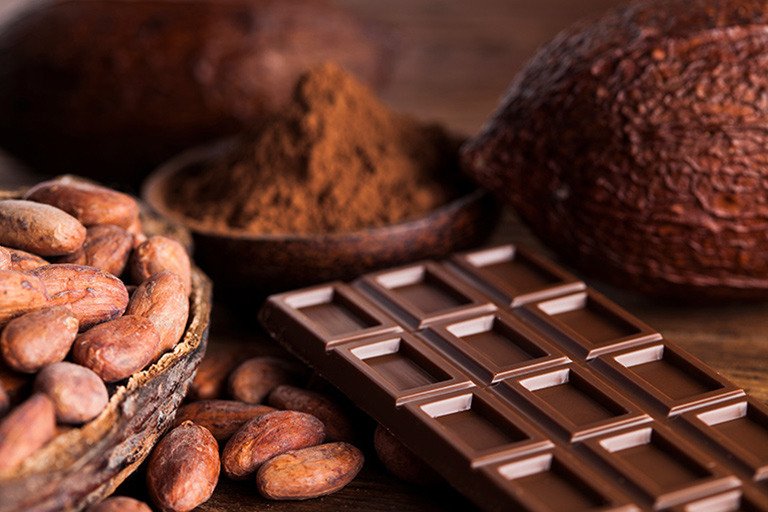
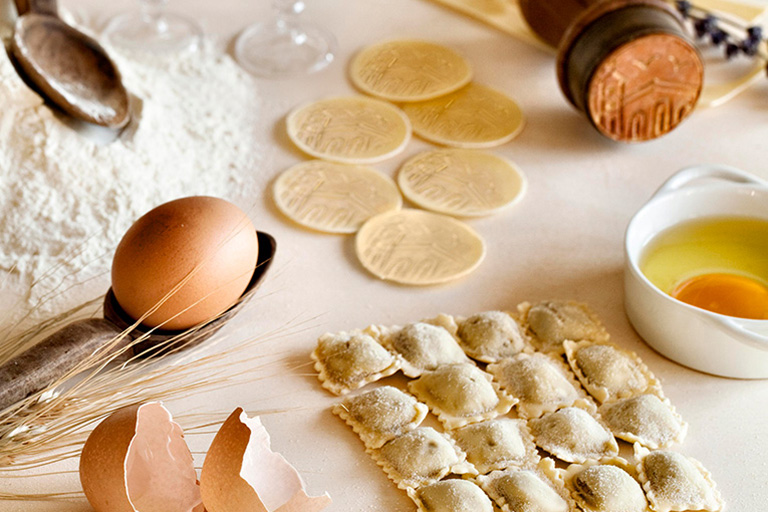
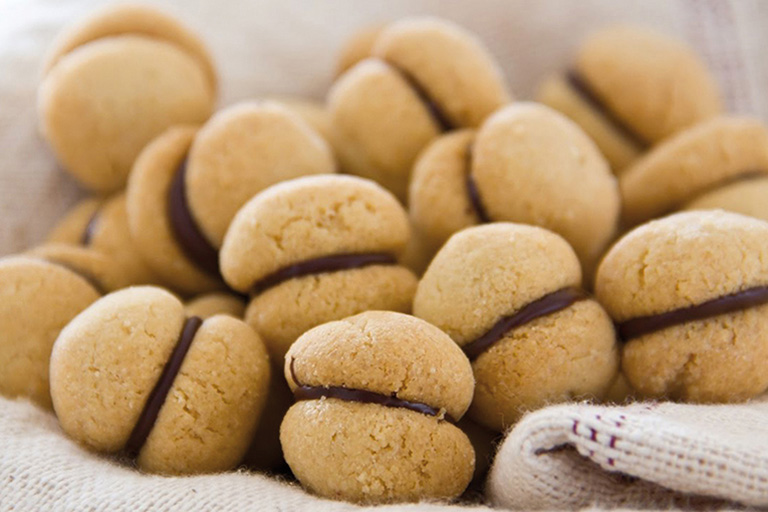
Novi Ligure’s culinary tradition reflects a meeting point between Piedmontese heritage and Ligurian influences. Among its signature dishes are agnolotti novesi, ravioli filled with meat and vegetables, typically served with roast sauce or wine-based dressings. Also characteristic are corzetti, patterned pasta stamped with traditional wooden molds, alongside staples such as focaccia and farinata. The city’s sweet tradition features baci di dama, recognised with De.Co. status, and delicate, crumbly canestrelli. Novi is also known as the “city of chocolate,” thanks to its historic confectionery industry, famous for producing chocolate bars and gianduiotti. Among local agricultural products, the Merella chickpea stands out, reflecting the area’s rural roots and traditions.
Wine and other drinks
The Novi Ligure area is defined by a strong winemaking tradition. Among its most representative wines is Gavi DOCG, a white made from Cortese grapes, prized for its freshness and its floral and citrus notes. Red wines such as Dolcetto and Barbera also play a key role, offering structure and versatility. Alongside wine production, the area features traditional beverages like rose syrup and artisanal liqueurs, including Amaro Barzotto, crafted from locally sourced aromatic herbs and reflecting the character of the territory.
Highlights & Landmarks
Novi Ligure’s heritage is deeply intertwined with its history and its cycling legacy, which has earned it the title “Land of Champions.” The Museo dei Campionissimi, housed in a former industrial building, traces the evolution of the bicycle and celebrates legends such as Costante Girardengo and Fausto Coppi, while also telling the story of the city itself.
In the heart of Novi stands the Romualdo Marenco Theatre, inaugurated in the 19th century and recently restored, serving as a key cultural venue.
The historic centre is distinguished by its painted palaces, with façades decorated between the 16th and 18th centuries using trompe-l’œil techniques – an elegant testament to the city’s ties with Genoa and the wealth of its noble families. Among the religious landmarks are the Basilica of Santa Maria Maddalena, renowned for its sculptural Calvary complex, and the Collegiate Church of Santa Maria Assunta, blending medieval and Baroque elements.
Of particular historical importance is the Pieve of Santa Maria, linked to the earliest phases of settlement. Within the urban landscape, the Fontana del Sale, a 19th-century marble monument celebrating the city’s aqueduct, stands as one of Novi’s defining symbols. Together, these sites reveal a city rich in history, culture, and tradition, deeply connected to its identity.