See all
Save the dates of your favorite races Synchronize your calendars
See all
Stage

19

Friday 29
May 2026

151 km
Altitude Gain 5000 m

Starting in

D ::

Feltre -

Alleghe

(Piani di Pezzè)

profile

map

technical info

Route
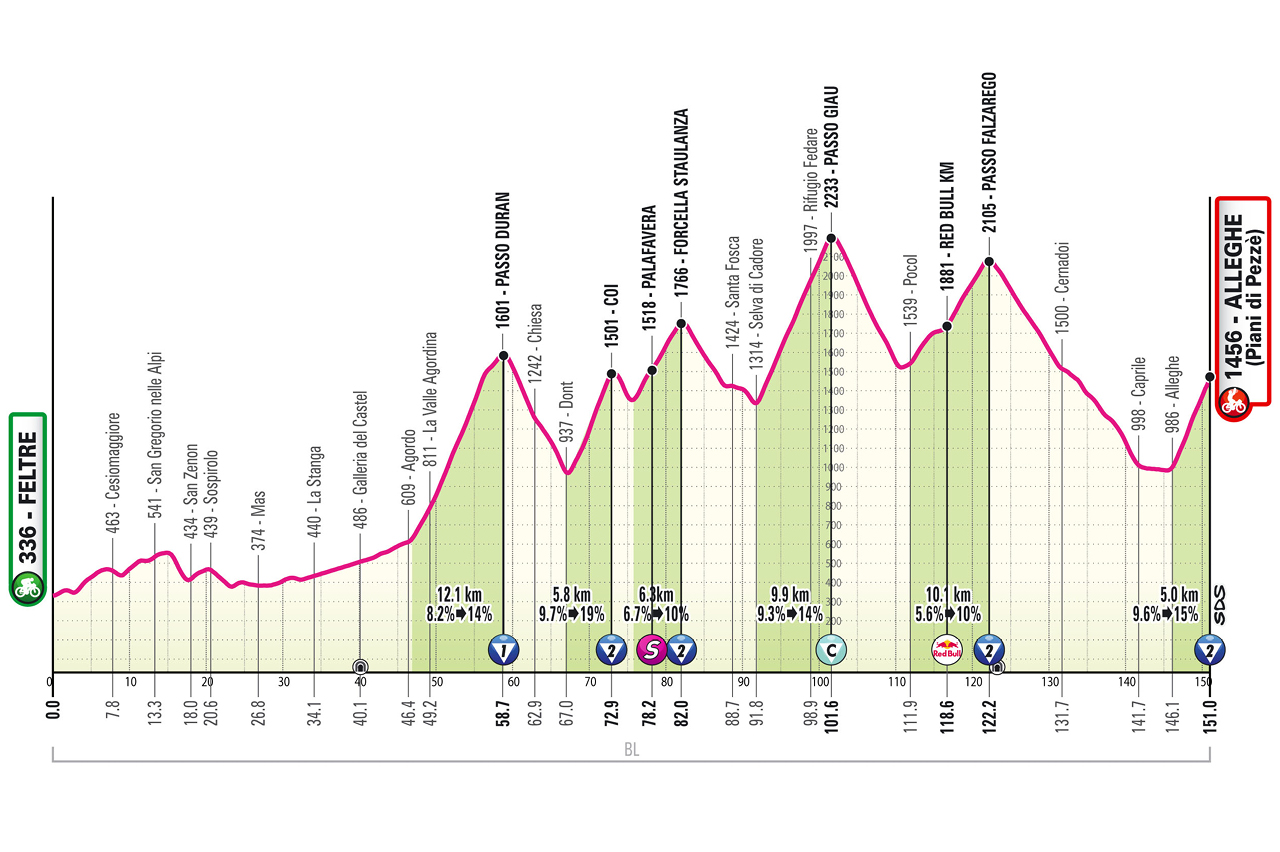
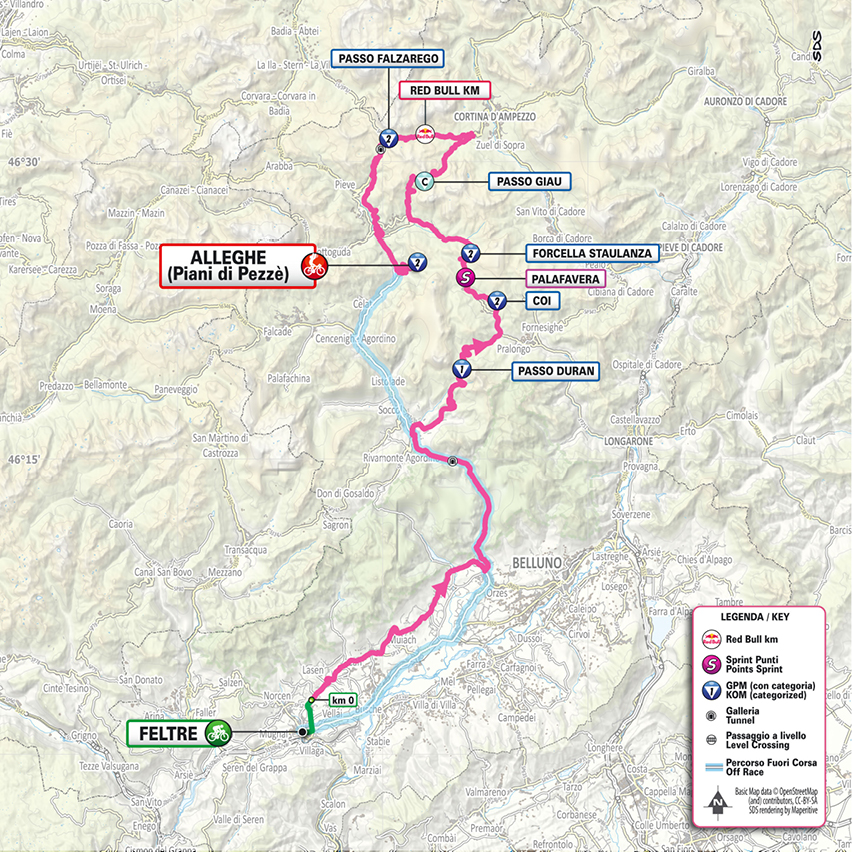
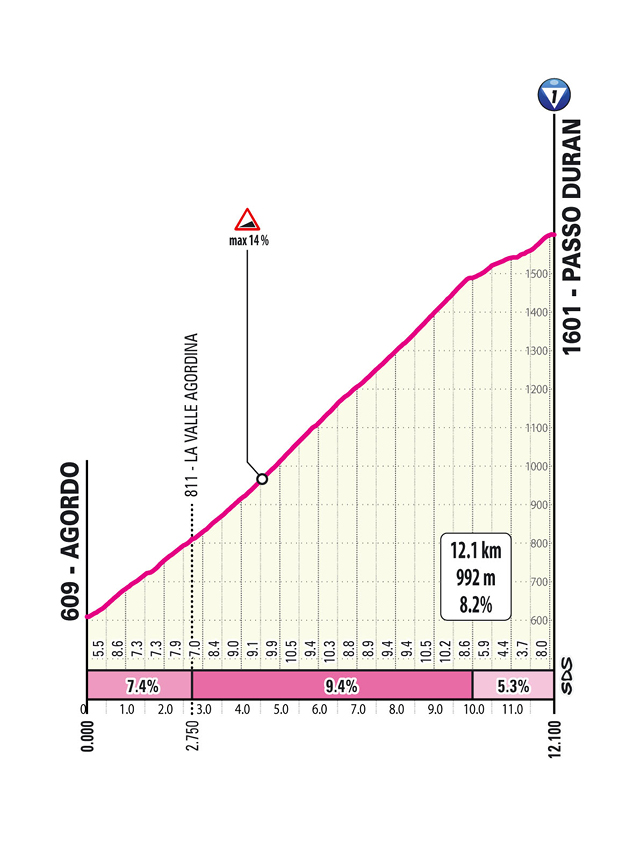
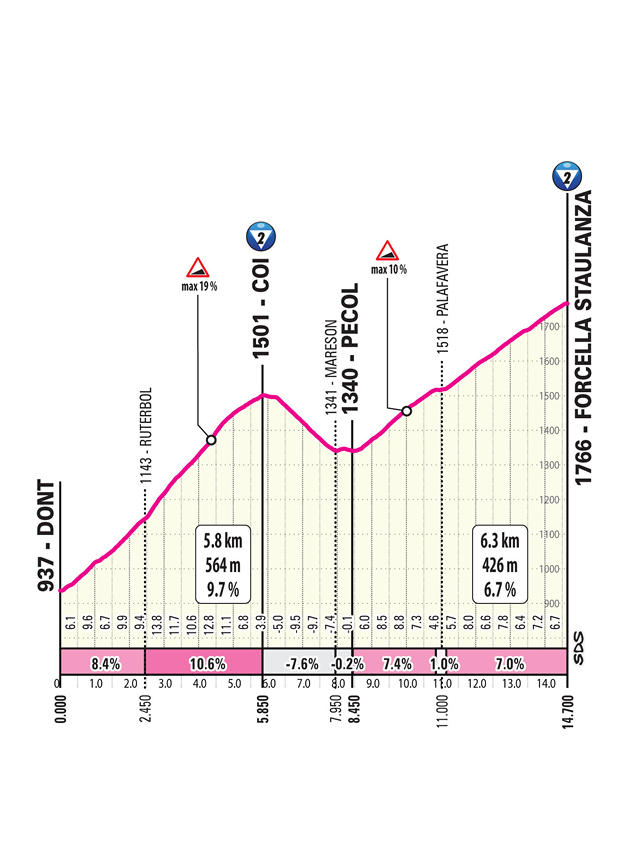
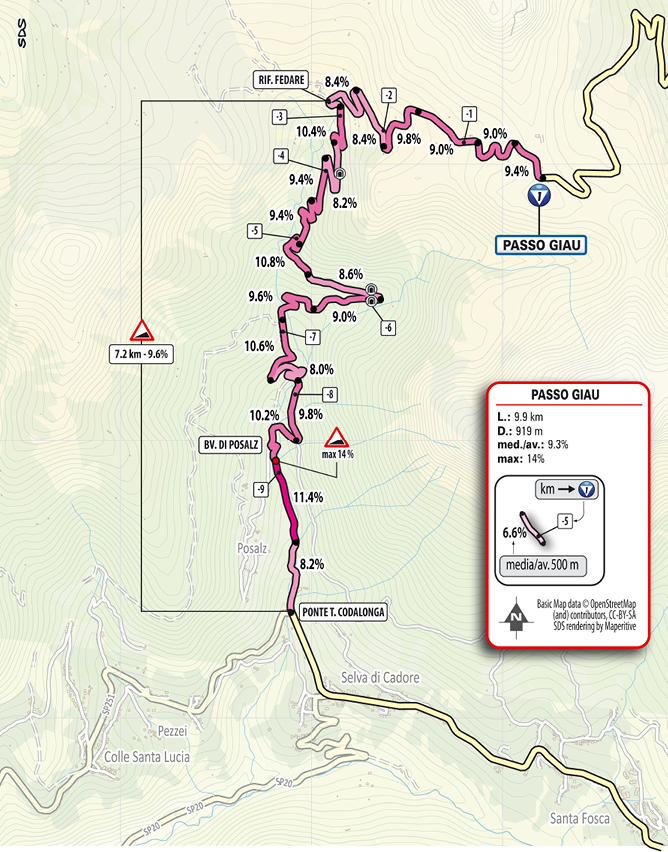
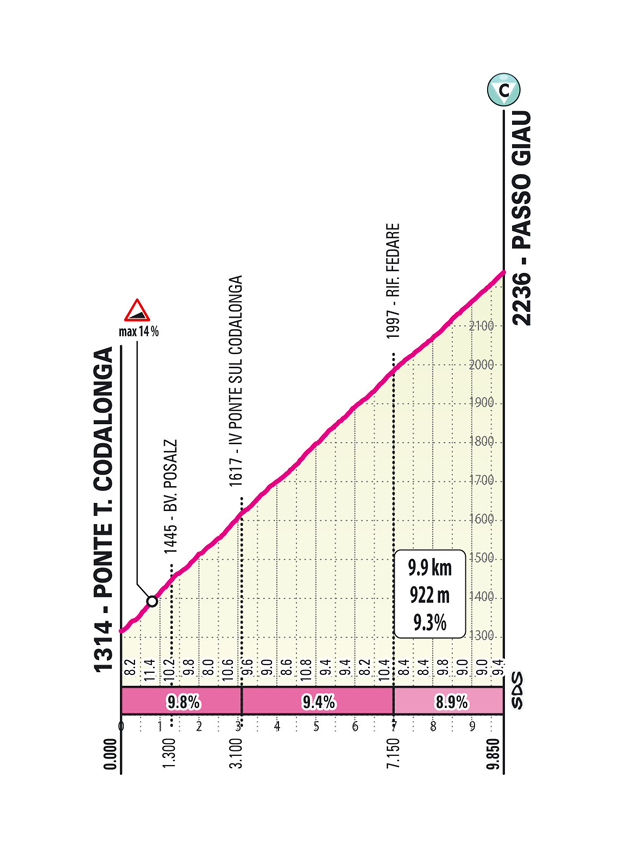
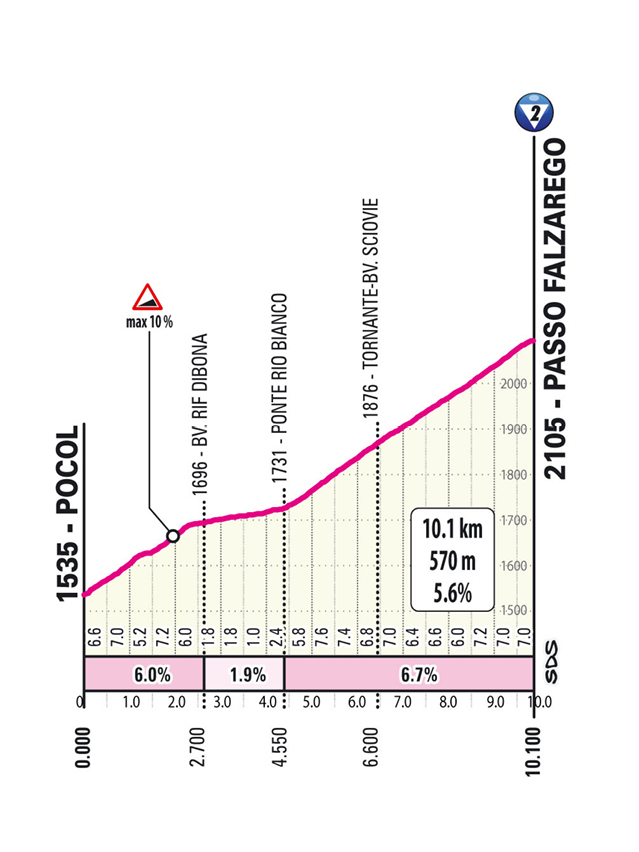
Major Dolomite mountain stage consisting almost exclusively of climbs and descents. After a short approach section, the final 100 km contain the entire elevation gain of approximately 5000 metres. Riders tackle, in continuous succession and without any real recovery sections: Passo Duran (max 14%), Coi (max 19%), Forcella Staulanza (max 10%), Passo Giau (Cima Coppi, max 14%), Passo Falzarego (max 10%), and finally the last 5 km leading to the finish at Piani di Pezzè.
Final kilometres
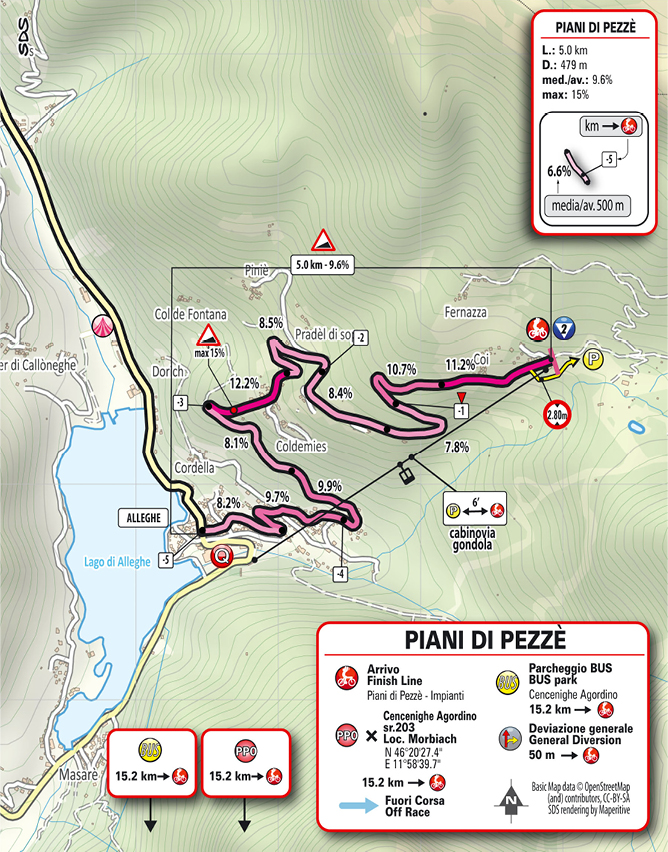
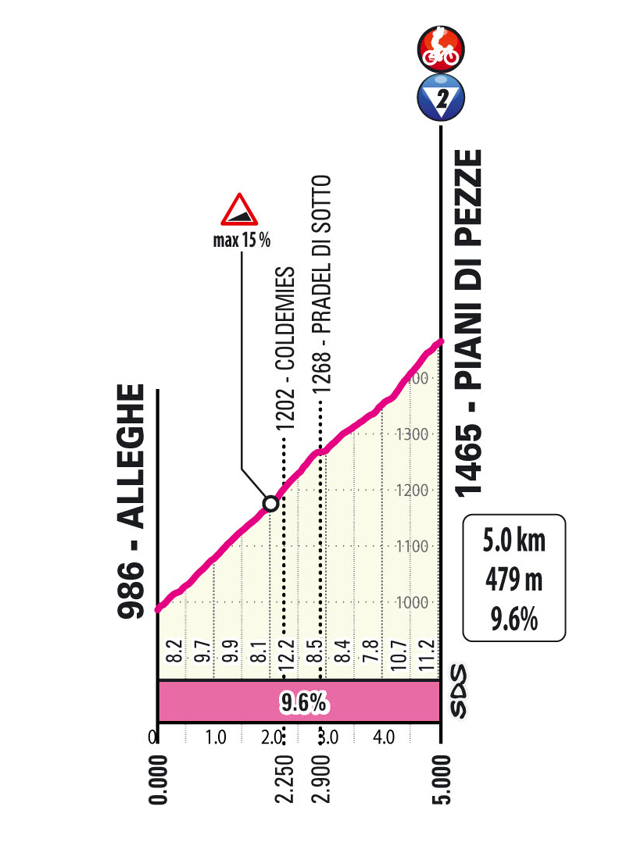
The final 5 km average around 10%, with the central section reaching gradients of up to 15%. The climb is on a narrow and winding mountain road, featuring 8 hairpins and numerous connecting bends. The final kilometre remains consistently around 11%. The finishing straight is 300 m long on 7 m wide asphalt.

start / finish

climb detail

final kilometres

itinerary timetable

Strava Route

  • profile
  • map
  • technical info
  • start / finish
  • climb detail
  • final kilometres
  • itinerary timetable
  • Strava Route
Save the dates of your favorite races and receive all the informations about the races

tourist info

Host city:

start
finish

Feltre


Overview

Set on the edge of the Belluno Dolomites, Feltre is a historic town in Veneto whose origins date back to Roman times, when it was known as Feltria. Its historic centre rises on a hill overlooking the Piave Valley and is enclosed by walls that define its urban layout. Piazza Maggiore forms the monumental heart of the city, around which Renaissance palaces and civic buildings are arranged.

Gastronomy

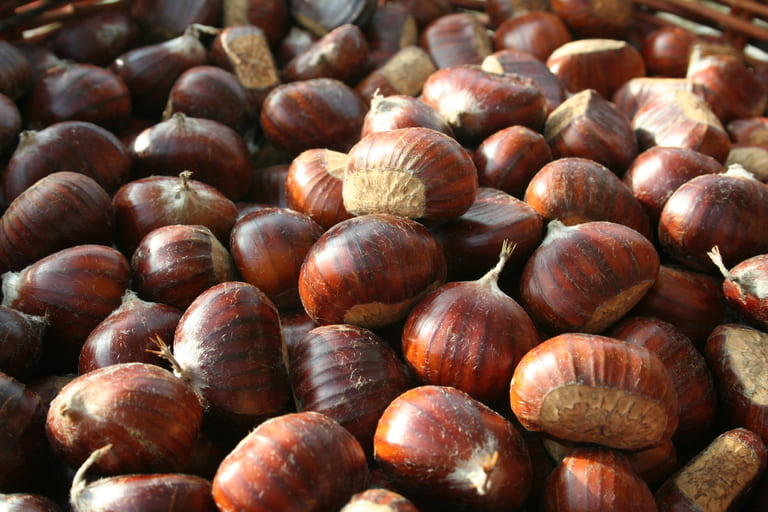
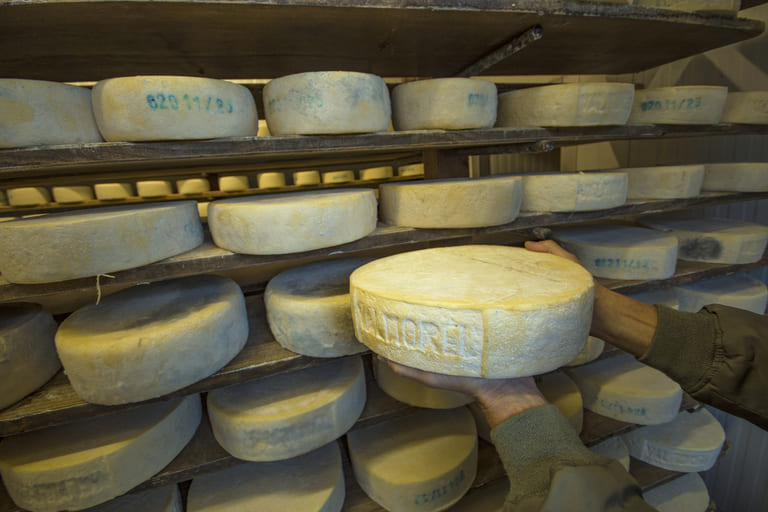
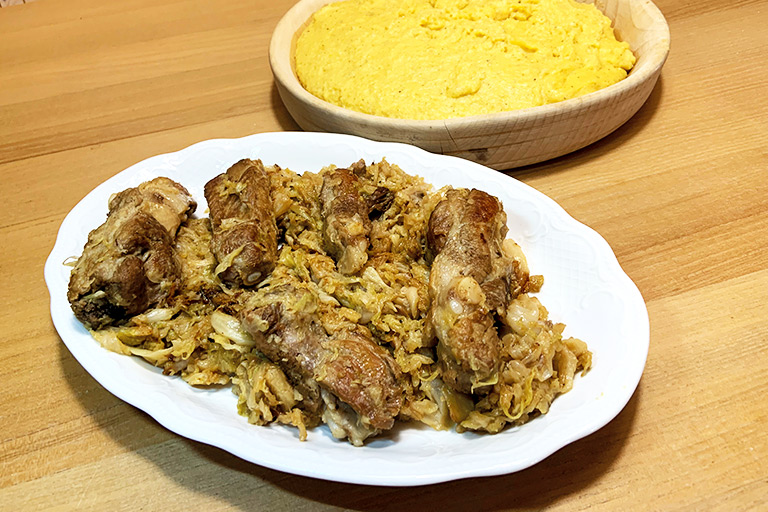
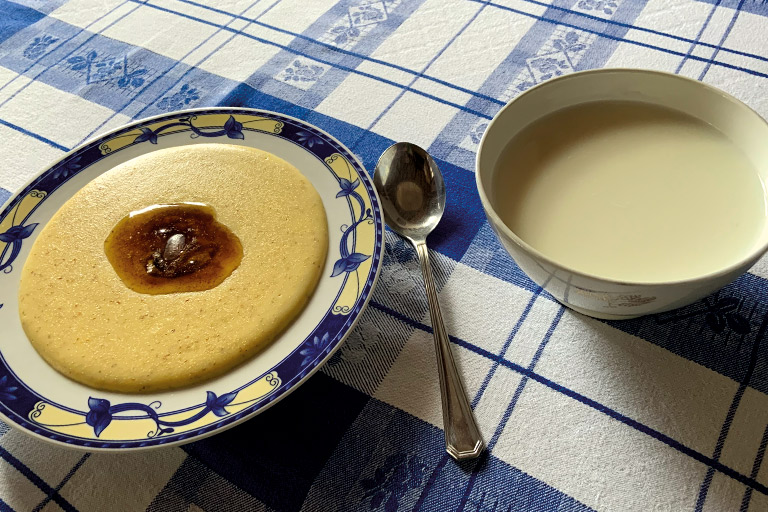
Feltre’s gastronomy is deeply rooted in the traditions of the Belluno mountains and its rural heritage – simple, authentic, and shaped by the land. Standout ingredients include the Noce Feltrina, prized for its thin shell and delicate flavor, and the Marrone Feltrino, a sweet, firm chestnut perfect for both sweet and savory dishes. Another local gem is the Zucca Santa bellunese, known for its fine texture and natural sweetness. Cheese lovers will find excellence in Piave DOP, a hard cheese with a rich yet balanced taste. Among traditional dishes, pastin takes center stage: a spiced meat mixture grilled and typically served with polenta made from mais sponcio, an ancient local corn variety that speaks to the region’s agricultural roots.

Wine and beverages

In the Feltre area, beverage tradition is best represented by Birra Pedavena, brewed in the nearby town of the same name since 1897. Born from the exceptional quality of local spring water, the brewery has grown into a national icon while maintaining a deep connection to its territory. Today, it’s more than just a production site: the complex includes hospitality spaces and a museum, preserving its historical identity and celebrating a brewing tradition that remains a defining feature of the region.

Highlights & Landmarks

Feltre’s heritage unfolds across layers of history, from Roman origins to the Middle Ages and Renaissance. At its heart lies Piazza Maggiore, an elegant square framed by historic buildings such as the Palazzo della Ragione, home to the remarkable Teatro de la Sena, and the Castello di Alboino, a symbol of civic power since the 12th century. The theatre itself is one of the city’s cultural gems – originally a council hall, later transformed into a performance space, and still admired today for its refined design and exceptional acoustics.

Beneath the cathedral square stretches an important archaeological area revealing Roman Feltria, with remains of streets and buildings that trace the city’s evolution through the centuries. Feltre’s museums add further depth, including the Carlo Rizzarda Modern Art Gallery, dedicated to decorative arts and wrought iron, and the Diocesan Museum, home to significant works of art.

The historic center, known as Urbs Picta, is a true open-air gallery, where frescoed palaces line the streets and create a vivid dialogue between art and architecture. Beyond the town, nature takes over with places like the Vincheto di Celarda, a biodiversity-rich wetland reserve, and the Belluno Dolomites National Park, for which Feltre serves as a key gateway. Overlooking it all is the Sanctuary of Saints Vittore and Corona, a medieval complex rich in frescoes and perched in a panoramic position above the city.

Alleghe


Overview

Overlooking the lake of the same name at the foot of Mount Civetta, Alleghe is a mountain town in the Belluno Dolomites whose settlement is closely tied to the surrounding alpine environment. The village developed in a natural setting shaped by forests, Dolomite rock faces and alpine waters, and has long been connected to mountain activities and life in the valley. Alleghe is also known for the Piani di Pezzè, a broad high-altitude area linked to the Civetta ski area, which serves as one of the main gateways to the region’s tourist and sporting activities.

Gastronomy

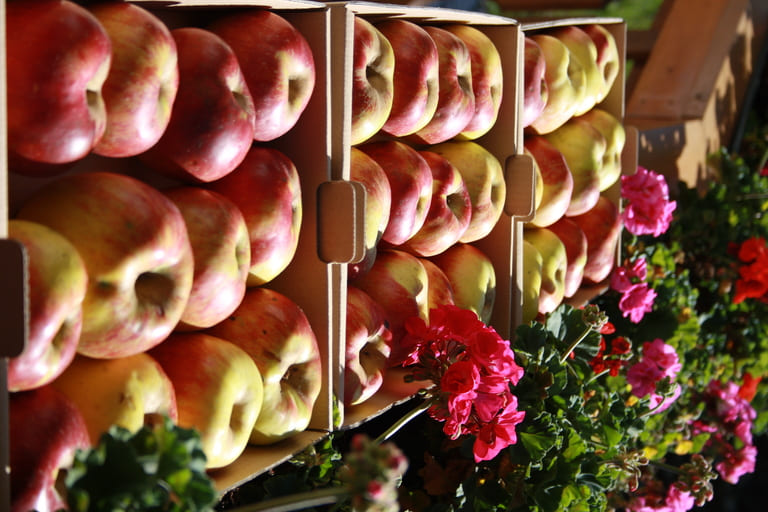
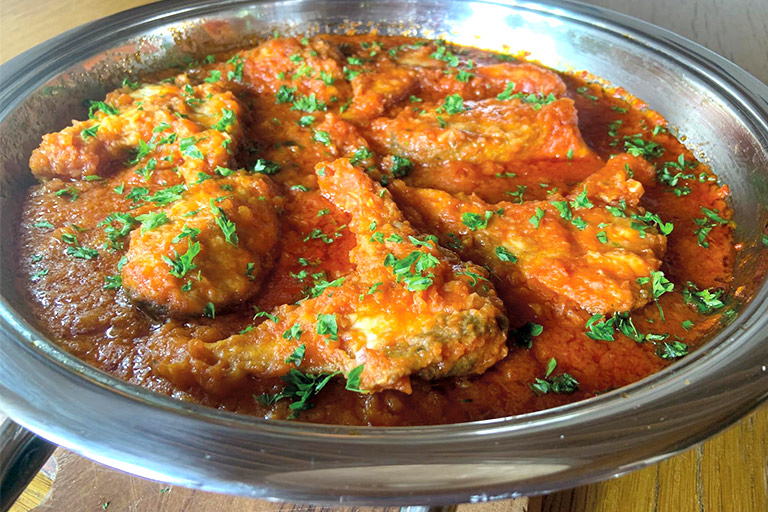
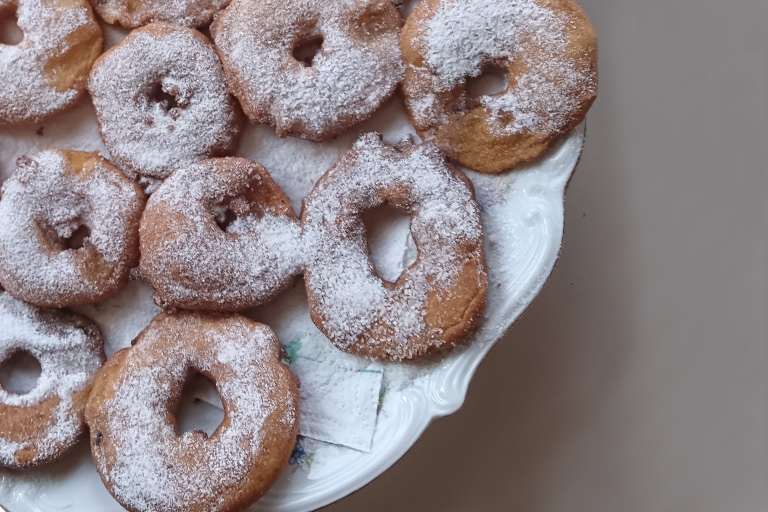
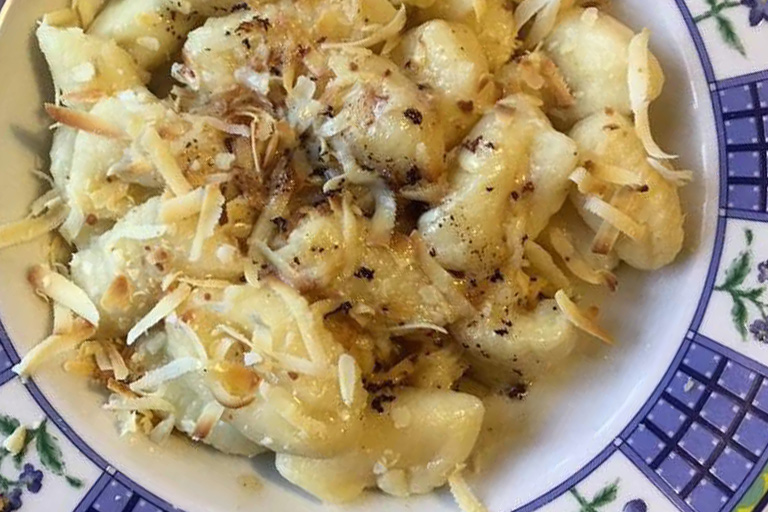
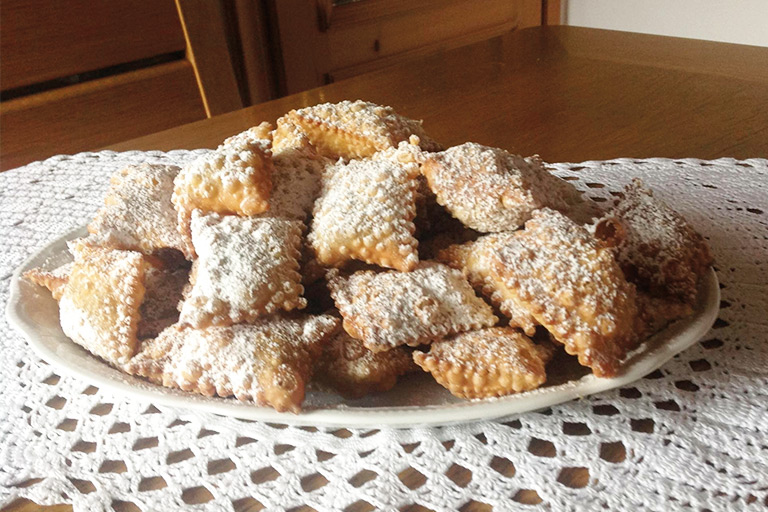
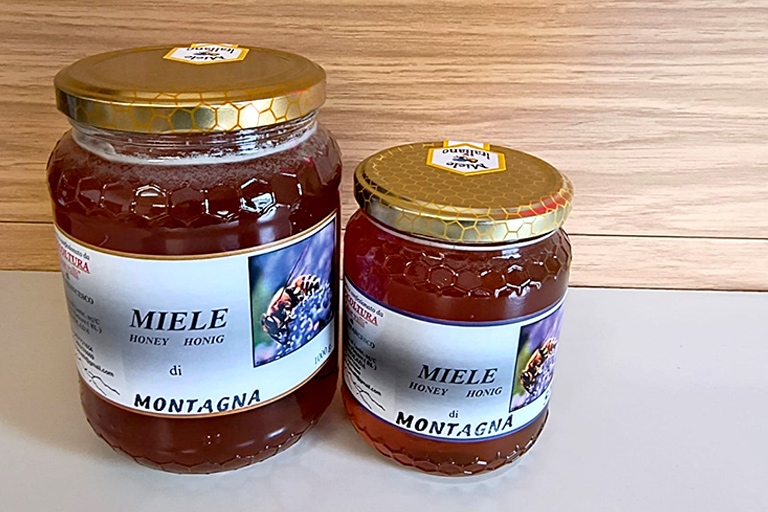
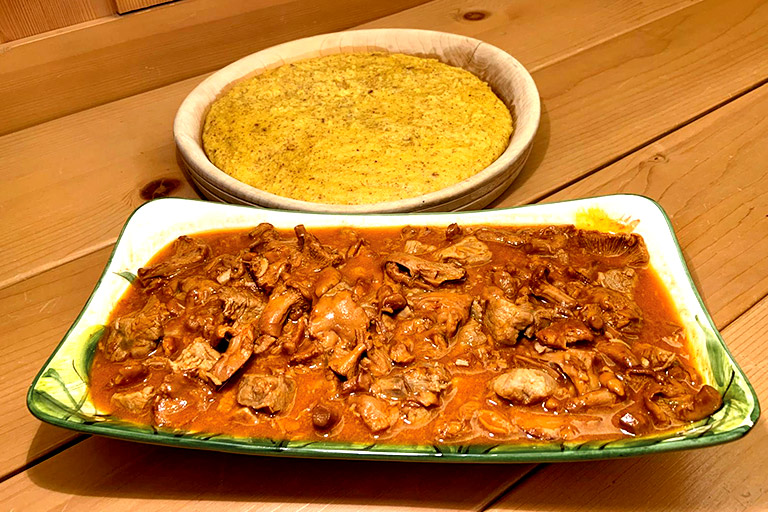
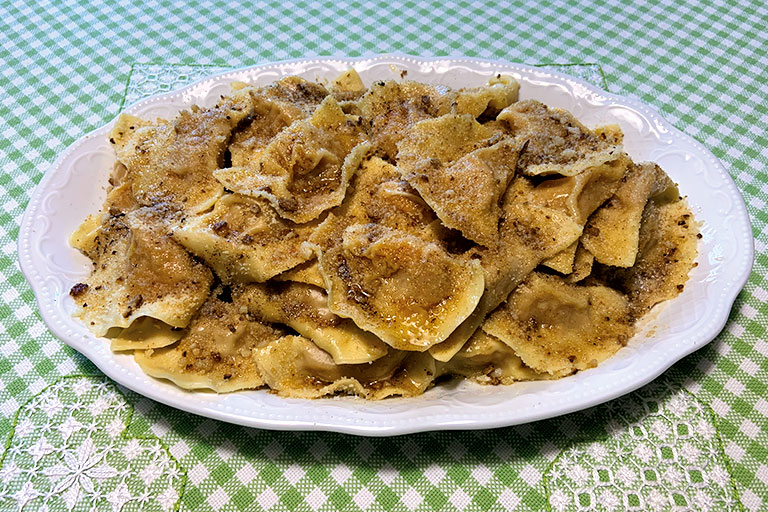
Alleghe’s cuisine is a true taste of the Belluno Dolomites. Local favorites include gnòk co la puina, soft gnocchi dressed with melted butter and smoked ricotta, and kazonziei co la zùcia, pumpkin-filled ravioli that balance sweetness and richness. The kitchen draws heavily from its surroundings, featuring mountain wildflower honey and lake trout, often slow-cooked to bring out delicate flavors. Among the main dishes, venison stew with mushrooms and pastin served with polenta and cheese stand out as alpine comfort food at its best. For dessert, indulgent treats like grafogn – fried stuffed pastries – and fritole da pom, fragrant apple fritters, round out a cuisine that feels both authentic and deeply satisfying.

Wine and other drinks

Alleghe’s drinks capture the spirit of the Dolomites through traditional herbal knowledge and mountain ingredients. Local liquors and grappas are often infused with alpine plants such as dwarf pine, cumin, and lemon balm, creating bold, aromatic profiles rooted in centuries-old practices. Elderflower syrup is also widely enjoyed, prized for both its refreshing taste and natural qualities. In colder months, Vov – a rich, creamy egg-based liqueur – becomes a favorite, offering warmth and comfort. Each sip reflects a close relationship with nature, turning local ingredients into distinctive, character-filled beverages.

Highlights & Landmarks

Set along the shores of its namesake lake, Alleghe is one of the most striking destinations in the Dolomites, dominated by the towering northwest face of Monte Civetta, known as the “wall of walls” for its sheer scale and legendary climbing history. At its base lies the village, marked by the Church of San Biagio and its Gothic bell tower.

The Lake of Alleghe, formed in 1771 by a massive landslide, is the town’s natural centerpiece – its still waters mirroring the dramatic Dolomite peaks. A scenic path circles the lake, leading to highlights like the Masarè waterfall.

Just above, the Piani di Pezzè at 1,470 meters serve as a hub for both winter and summer activities, forming part of the wider Civetta ski area that connects Alleghe to other Dolomite resorts with slopes, hiking trails, and mountain bike routes.

The surrounding region offers even more: the historic village of Caprile, with ties to the Venetian Republic; Monte Pelmo, a monumental peak famous for its dinosaur footprints; and the alpine Lake Coldai, nestled among the rocks of the Civetta massif. Alleghe’s cultural identity is equally strong, reflected in places like the Alvise De Toni Ice Stadium, tied to the local hockey tradition, and in the town’s unique sundial trail, where painted timepieces decorate buildings and tell stories of the past.

Follow us
#giroditalia

top sponsor

institutional partners

official suppliers

official licensees