Gemona del Friuli
Overview
Nestled at the foot of the Julian Alps, Gemona del Friuli is one of the most historically significant towns in Friuli and has long served as a gateway between the plain and the Alpine passes. Its town centre preserves a highly valuable architectural heritage, dominated by the Cathedral of Santa Maria Assunta and a compact medieval urban layout. The city’s recent history is marked by the 1976 earthquake, which struck Gemona with devastating force and whose 50th anniversary will be commemorated in 2026. The subsequent reconstruction, carried out using innovative and community-driven approaches, has become an internationally recognised model and today represents a fundamental part of Gemona’s identity.
Gastronomy
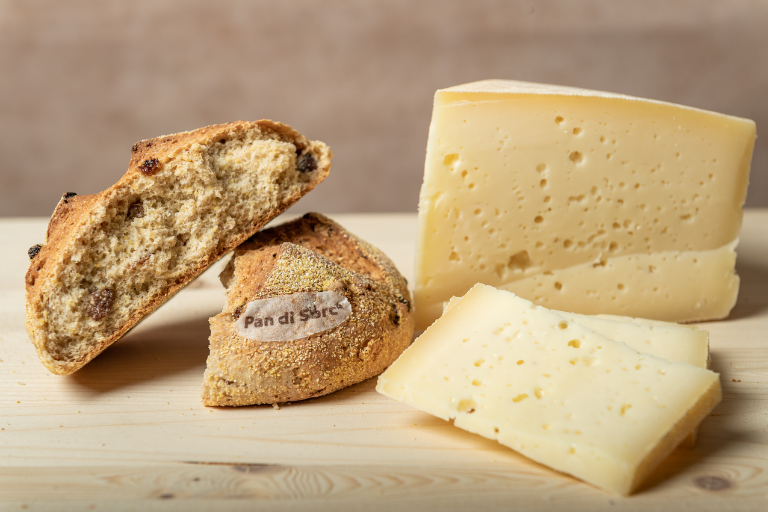
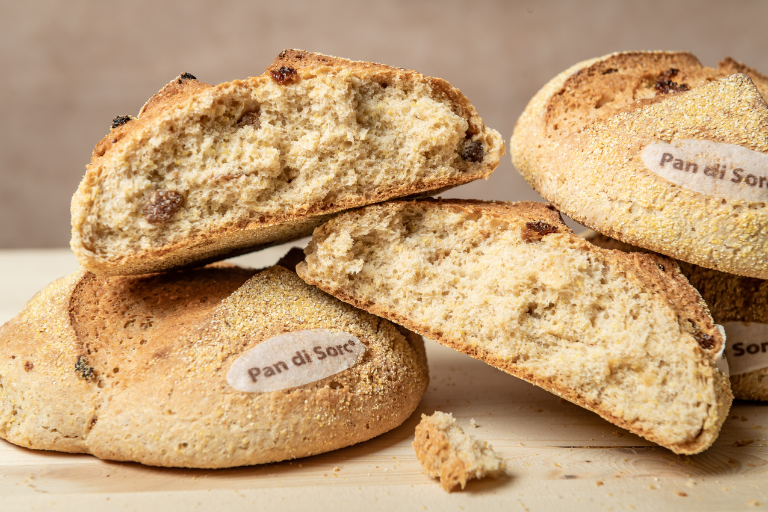
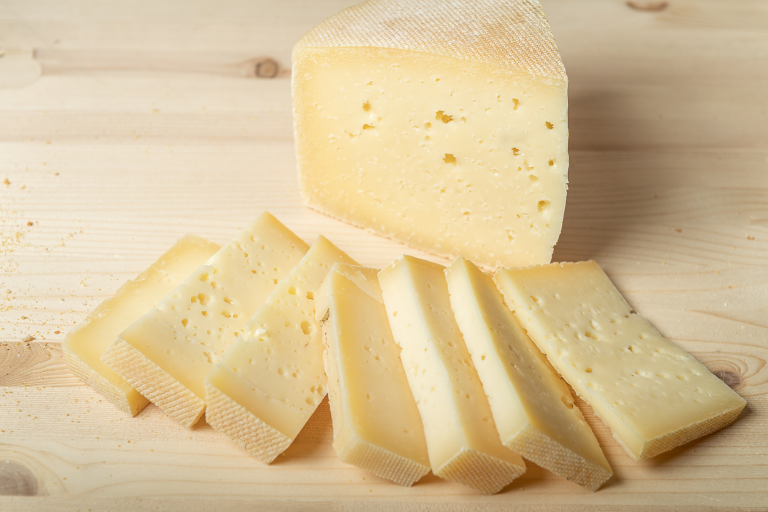
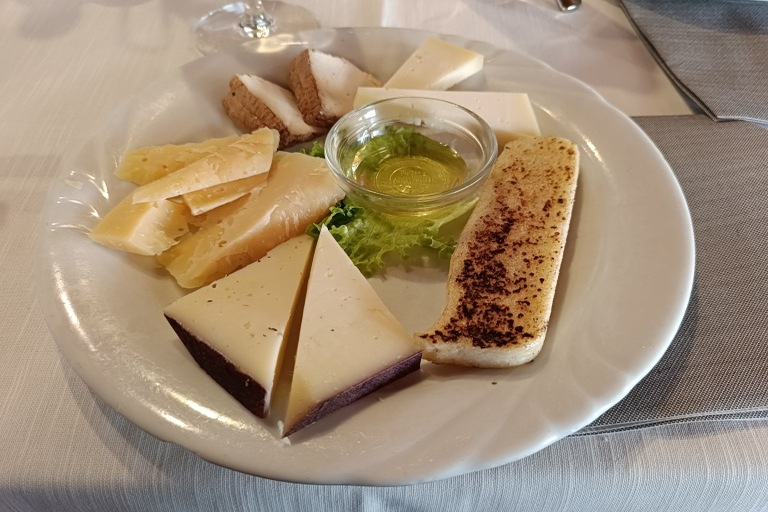
Gemona del Friuli’s food culture is rooted in its rural past and mountain identit: simple, authentic, and deeply connected to tradition. Among its standout products is latteria turnaria cheese, made from raw milk using age-old cooperative methods, with flavors that evolve beautifully as it matures. Another local icon is Pan di Sorc, a rustic sweet bread made with ancient cinquantino corn flour, dried figs, and fennel seeds. Fragrant and full of character, it’s now a Slow Food Presidio and a true symbol of the region’s culinary heritage, reflecting centuries of peasant life and local ingenuity.
Wine and other drinks
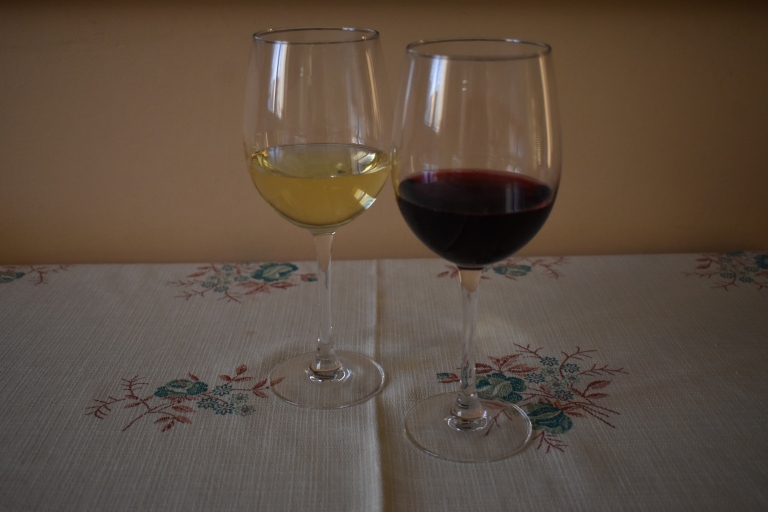
At the foothills of the Julian Prealps, Gemona’s drink tradition leans toward artisanal spirits and mountain-inspired flavors. Friulian grappa stands out with its bold, dry character and intense aroma. Alongside it are herbal and wild berry liqueurs – blueberry, elderflower, and more – offering delicate, natural notes. Handmade syrups crafted from flowers and small fruits are also widespread, capturing the essence of the surrounding landscape and showcasing a culture that transforms local resources into distinctive, flavorful creations.
Highlights & Landmarks
Gemona del Friuli is a city shaped by history and resilience, famously rebuilt after the devastating 1976 earthquake. At the heart of its old town stands the Cathedral of Santa Maria Assunta, a defining landmark of medieval origin, reconsecrated in 1337 and carefully reconstructed “as it was, where it was.” Its grand rose window and the evocative Epiphany gallery remain standout features.
Overlooking the town is the Castle, perched atop the hill and reached via the scenic Salita dei Longobardi. Dating back to the Lombard era, it now serves as a panoramic viewpoint and a powerful symbol of the city’s layered past.
Among the notable buildings are Palazzo Boton, an elegant Renaissance structure now housing the city council, and Palazzo Elti, home to the Civic Museum, where artworks from the Middle Ages to the modern era are displayed, including pieces recovered after the earthquake. A site of deep spiritual significance is the Sanctuary of Sant’Antonio, considered the oldest in the world dedicated to Saint Anthony of Padua. Built in the 13th century on the very spot where the saint stayed, it preserves ex-votos, artworks, and the so-called “Cell of the Saint.”
Altogether, Gemona tells the story of a place that has rebuilt itself without losing its soul.
Piancavallo
Overview
Piancavallo is a mountain resort in the Friuli-Venezia Giulia region, a hamlet of the municipality of Aviano, located on a broad plateau of the Carnic Prealps at an altitude of over 1,200 metres. Founded and developed in the post-war period as a tourist destination, it has become one of the region’s main mountain centres. The settlement sits in an open natural setting, surrounded by forests and mountain ridges, with a strong focus on outdoor and sporting activities. Alongside its winter ski facilities, Piancavallo is now also popular in the summer season thanks to hiking trails, trekking routes and wide high-altitude open spaces.
Gastronomy
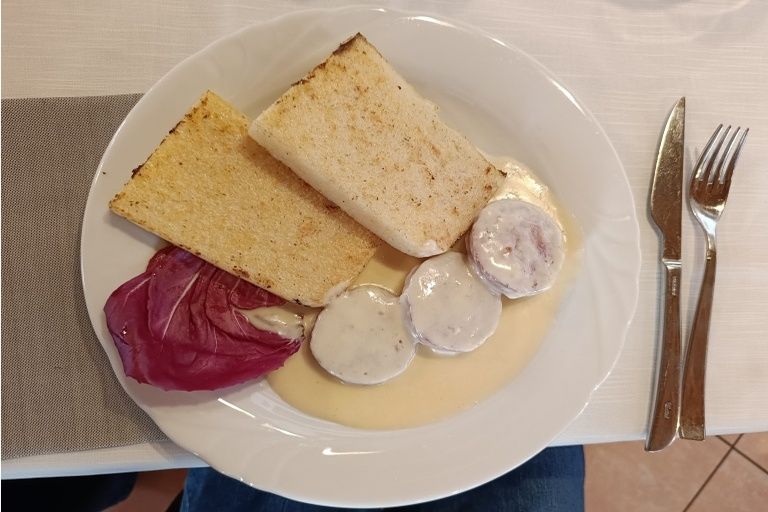
Piancavallo’s cuisine is pure Friulian mountain culture – hearty, rustic, and shaped by the traditions of alpine herders. One of the standout dishes is polenta with salàt e cavo, a rich combination of cooked salami with cream and vinegar, delivering bold, comforting flavors. Local specialties also include peta and pitina – seasoned meatballs made from sheep or game, coated in cornmeal and lightly smoked, with pitina proudly holding IGP status. The area is equally known for its cheeses, both fresh and aged, and for a wide variety of mountain honeys – acacia, wildflower, and chestnut, each reflecting the biodiversity of this alpine landscape
Wine and other drinks
Set at the foothills of Friuli, Piancavallo benefits from ideal conditions for winemaking, with stony soils and a favorable climate shaping a diverse production. White wines dominate, offering fresh and aromatic profiles – Sauvignon, Pinot Bianco, Friulano, and Traminer Aromatico. On the red side, varieties like Cabernet Franc, Cabernet Sauvignon, Merlot, and Refosco dal Peduncolo Rosso bring structure and depth. This rich diversity allows perfect pairings with the local cuisine, enhancing the region’s strong food-and-wine identity.
Highlights & Landmarks
Piancavallo is a mountain destination where nature, hiking, and local heritage come together in a stunning alpine setting. One of the most iconic routes is the Passeggiata delle Malghe, a 12 km loop trail that winds through forests and meadows, offering sweeping views over the plains and a chance to discover traditional alpine huts.
A symbolic landmark is the Christ on Monte Tremol, a wooden installation set above 1,200 meters, crafted from timber reclaimed after Storm Vaia – now a meaningful destination for hikers. Nearby, the area of Aviano reveals its historical depth with sites like the Castello di Aviano, a medieval fortress with remnants of walls and towers, and the church dedicated to Saints Maria and Giuliana.
Other highlights include the Church of Santa Giuliana, known for its diverse fresco styles, and the Duomo of San Zenone, rebuilt over centuries and still central to local religious life. Among the civil architecture stands Palazzo Menegozzi-Carraro, an elegant 18th-century residence with Italian gardens and frescoed interiors.
Overlooking the landscape is the Sanctuary of Madonna del Monte, set above Marsure and reachable via scenic trails – a place where spirituality meets breathtaking views. Altogether, Piancavallo offers a rich blend of outdoor adventure, history, and tradition in an authentic alpine environment.