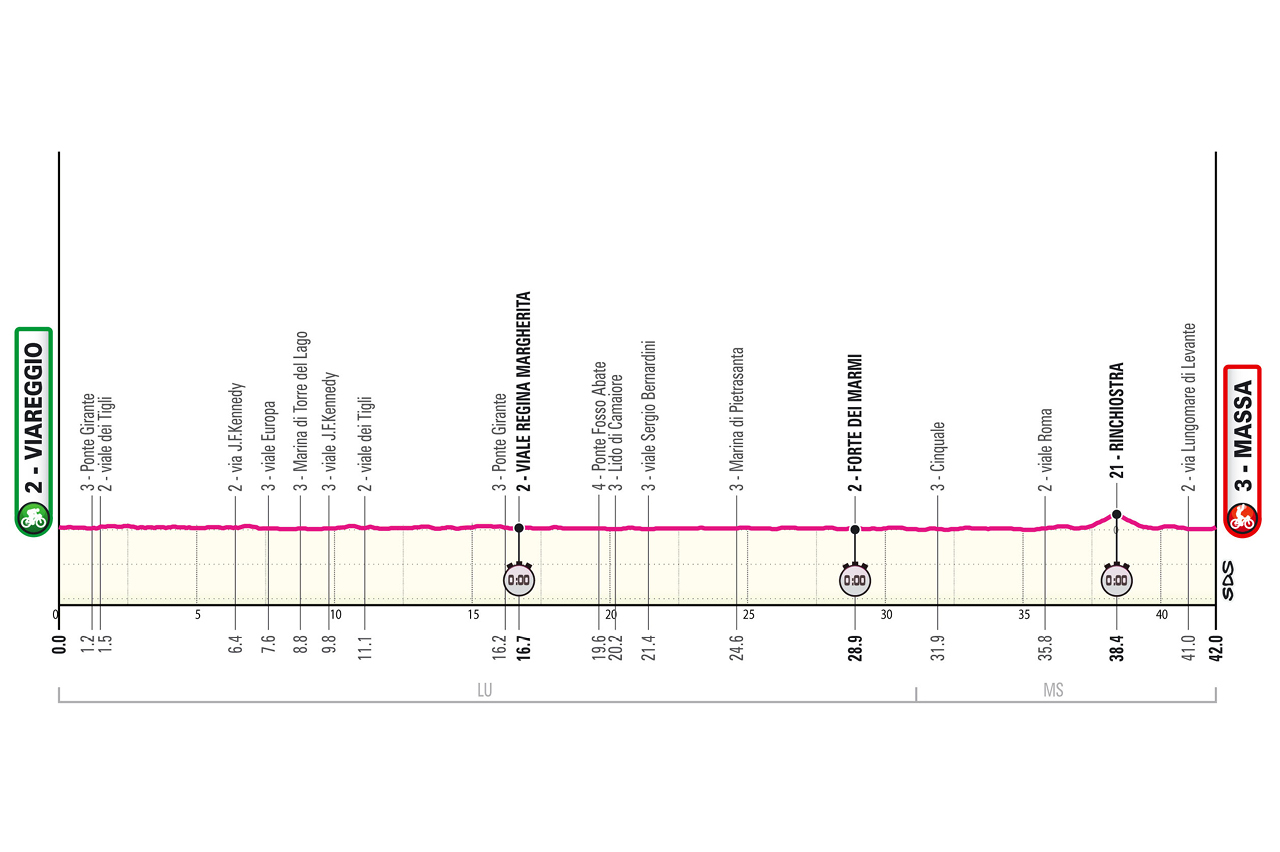
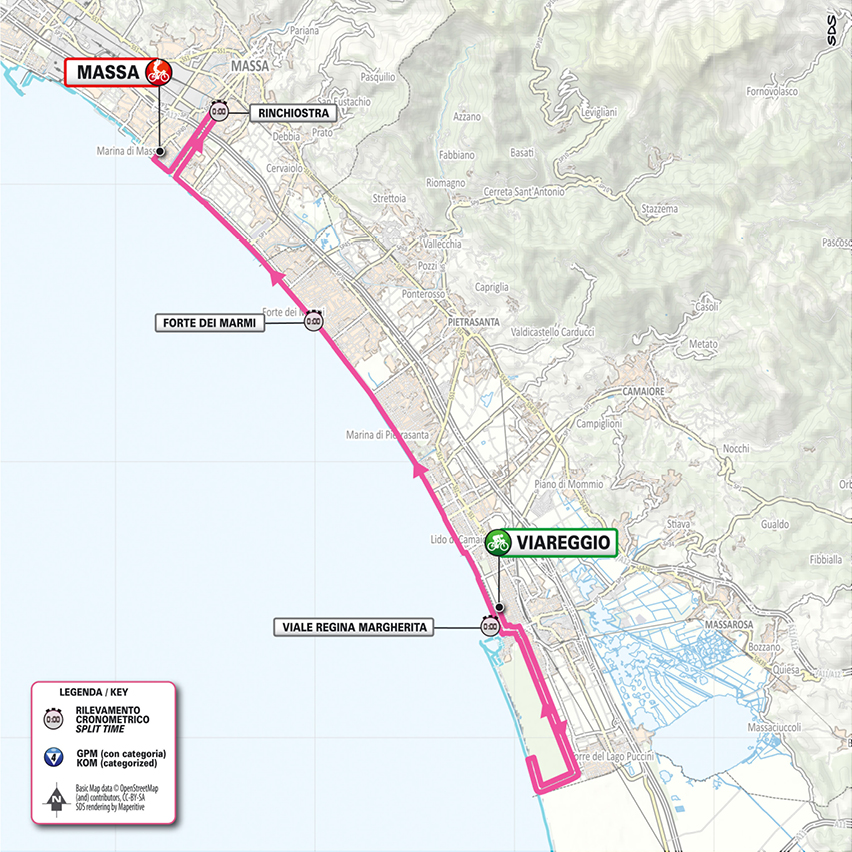
Viareggio
Gastronomy
Viareggio boasts a rich and delicious cuisine, deeply tied to maritime traditions and the flavors of the sea. The Cacciucco alla Viareggina is an iconic dish, a fish stew prepared with various types of fresh fish, shellfish, and mollusks, slowly cooked in a tomato-based sauce with garlic, red wine, and chili pepper. It is served with toasted bread rubbed with garlic.
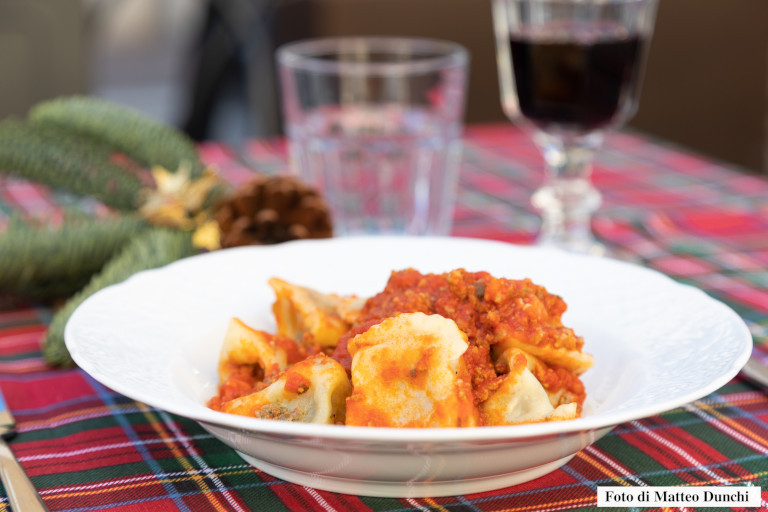
Tordelli Viareggini are handmade ravioli filled with a mix of beef and pork, seasoned with spices and served with a hearty meat sauce.
Another traditional dish is Pasta alla Trabaccolara, a recipe born from the local fishermen who worked on “trabaccoli” boats. It features a sauce made from a mix of inexpensive fish cooked with tomatoes, garlic, and chili pepper, reflecting the simplicity and authenticity of Viareggio’s cuisine while offering a rich sea flavor.
Equally popular is Frittura di Paranza, a mix of freshly caught small fish from the Tyrrhenian Sea, such as mullet, anchovies, and squid, lightly floured and fried until crispy. It is typically served with lemon wedges.
On the dessert front, Scarpaccia Dolce is a traditional Viareggio sweet, a humble dish made with zucchini, flour, sugar, milk, eggs, and aromatic ingredients like vanilla and lemon zest. This moist and delicately sweet cake originated among fishing families and has become a beloved delicacy throughout Viareggio.
Wine and beverages
The city also offers a fascinating variety of beverages that reflect the region’s traditions and convivial habits.
One of the most iconic drinks is Ponce alla Livornese, a hot beverage made from coffee, sugar, and rum or “sassolino,” served with a lemon peel. Although originally from Livorno, ponce is popular along the Tyrrhenian coast, including Viareggio, where it is perfect for cooler evenings or as a digestif after a seafood meal.
Another classic is the Artisanal Tuscan Vermouth, often enjoyed as an aperitif in the historic bars along the promenade. This aromatized wine, infused with local herbs, pairs perfectly with seafood dishes and typical local appetizers.
For those seeking a refreshing option in summer, the Bianco della Versilia is a light and fragrant white wine produced in the nearby hills, frequently served in trattorias alongside bluefish dishes. Among red wines, Rosso di Bolgheri is one of the most appreciated choices in Viareggio’s restaurants, elegantly complementing both seafood and Tuscan meat dishes.
Finally, the Versilia Gin has recently gained popularity among spirits enthusiasts. Crafted with local botanicals such as Apuan juniper and Mediterranean herbs, this gin embodies the essence of the region and is featured in the city’s most sophisticated cocktail bars.
Points of interest
Viareggio is a city rich in history, culture, and natural beauty, offering a wide range of activities for every type of visitor. One of its highlights is its port, one of the Mediterranean’s most important hubs for luxury yacht construction. Here, visitors can admire some of the world’s most exclusive boats and experience the atmosphere of a leading nautical center.
Strolling through the city reveals an open-air museum thanks to its splendid Art Nouveau buildings. The Passeggiata Margherita, the Gran Caffè Margherita, and Villa Argentina are just a few examples of this artistic heritage that makes Viareggio unique.
Culture enthusiasts can explore the city’s museums, including the Gallery of Modern and Contemporary Art (GAMC), which houses over 3,000 artworks, the Maritime Museum, dedicated to the city’s nautical traditions, and the Matilde Tower, an ancient military structure now transformed into a multimedia museum with a breathtaking terrace overview.
Another must-see attraction is the collection of historic villas, such as Villa Paolina, the residence of Napoleon’s sister, now a venue for events and exhibitions; Villa Borbone, nestled in the nature of the Migliarino San Rossore Park; and Villa Museo Puccini, the former home of the famous composer, overlooking the picturesque Lake Massaciuccoli.
A few kilometers away lies Torre del Lago Puccini, a district of Viareggio famous for its connection to the Maestro Puccini and for the Gran Teatro all’Aperto, which hosts the annual Puccini Festival. Here, visitors can take boat trips on the lake, enjoy unspoiled beaches, and walk along the lakeside immersed in the silence of nature.
Viareggio is also a renowned floriculture center, with extensive poinsettia cultivations exported across Italy, and a global reference point for the luxury yacht industry, with shipyards producing some of the world’s most sought-after vessels.
Massa
Gastronomy
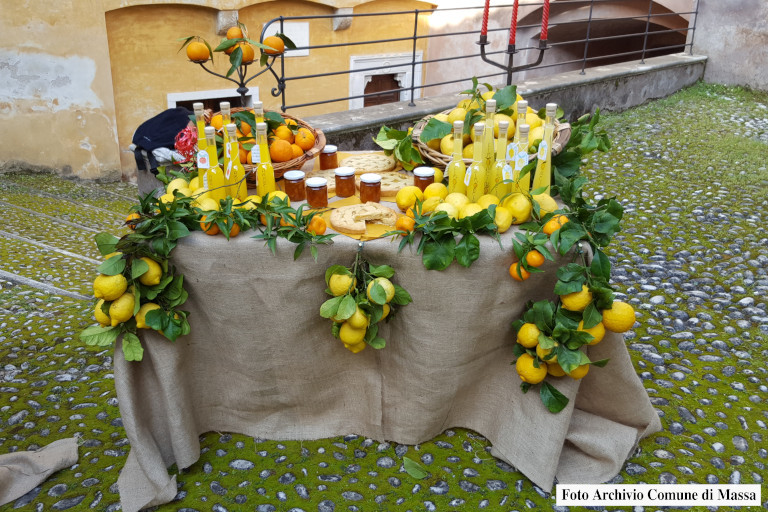
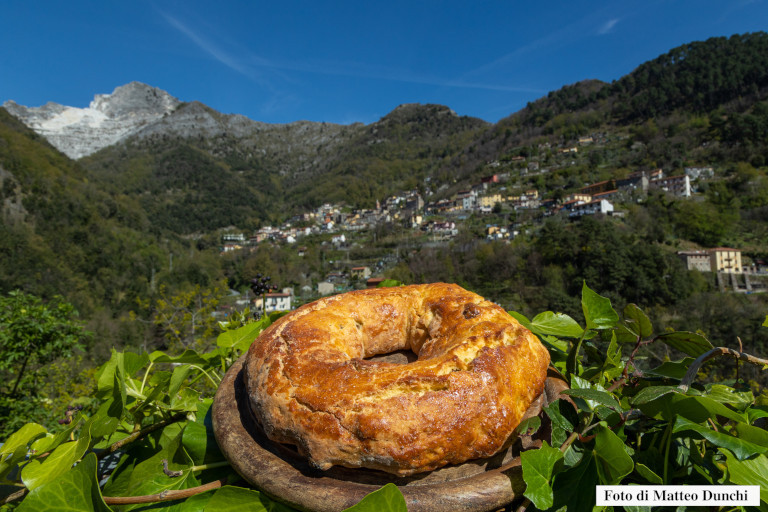
Massa’s culinary tradition reflects its unique position between sea, hills, and mountains, drawing on the rich produce of the Apuan territory. Among its standout specialties are tordelli, ravioli filled with mixed meats, cheeses, and aromatic herbs, typically served with ragù and closely associated with festive occasions. From the same preparation comes lasagna intordellata, a resourceful dish that makes use of leftover pasta and filling. Local products include the fragrant limone massese, cultivated since the 14th century, along with Riviera Apuan onions and honey—especially chestnut honey. Also typical is pattona, made from flour and cooked between metal plates, and pane di San Carlo, linked to the spring of the same name. On the sweet side, traditional desserts such as torta di riso and the classic ciorchiello round out Massa’s rich and varied food heritage.
Wine and other drinks
The Massa area is defined by exceptionally pure waters, sourced from the springs of the Apuan Alps and naturally filtered through limestone rock, giving them a balanced mineral composition. On the winemaking side, Candia dei Colli Apuani DOC stands out as the territory’s signature wine, produced in a unique microclimate shaped by proximity to the sea and the sun-exposed hillsides. These conditions allow the grapes to ripen perfectly, enhancing the quality of the final wine, which is traditionally paired with the local cuisinei.
Punti di interesse
Massa’s heritage unfolds through a rich blend of historic landmarks, monumental architecture, and cultural spaces. Among its most iconic symbols is the Malaspina Castle, a medieval fortress perched on a rocky hill, preserving elements from the Romanesque to the Renaissance period, including its inner courtyard and imposing keep. At the heart of the city lies Piazza Aranci, dominated by the Ducal Palace, a 16th-century residence commissioned by the Cybo-Malaspina family, known for its elegant halls and representative spaces. The Cathedral, rebuilt in the modern era on earlier foundations, houses the Cybo-Malaspina Chapel and features a single nave with side chapels and notable artworks. Cultural life is enriched by the Guglielmi Theatre, active since the 19th century and a key venue for the city’s artistic scene, and Villa Cuturi, an important exhibition space overlooking the sea.
On the contemporary side, the Guadagnucci Museum, set within Villa Rinchiostra, is dedicated to sculpture and marble craftsmanship, reflecting the area’s deep connection to this material. This link to the territory continues along the seafront with Piazza Bad Kissingen and the marble installation “Le Vele.” Historic routes such as the Via Francigena and the Via Vandelli cross the area, offering cultural itineraries between the sea and the Apuan Alps. Completing the picture are landmarks like the Torre Fiat (now Torre Marina), a striking example of 20th-century architecture, and a wider landscape that reveals the city’s layered history and strong connection to its surroundings.