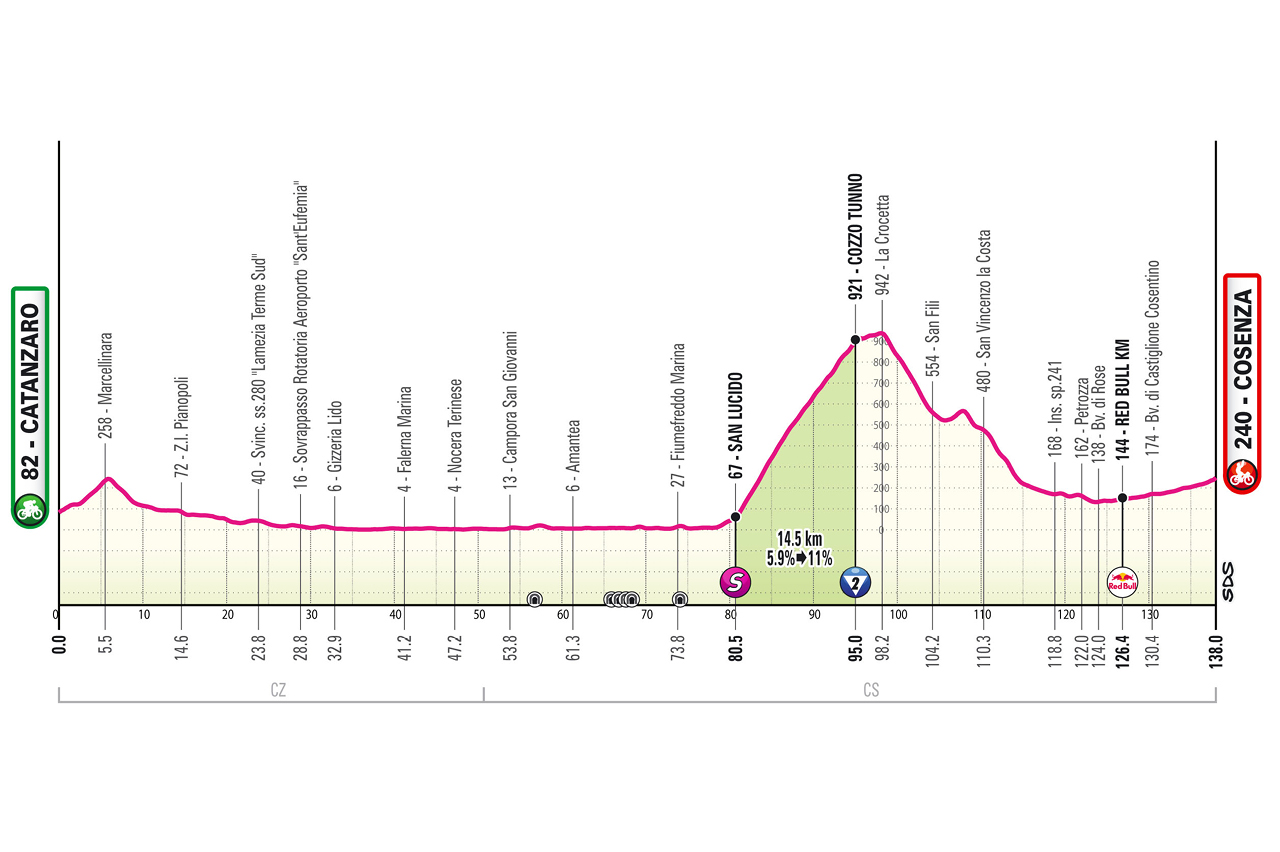
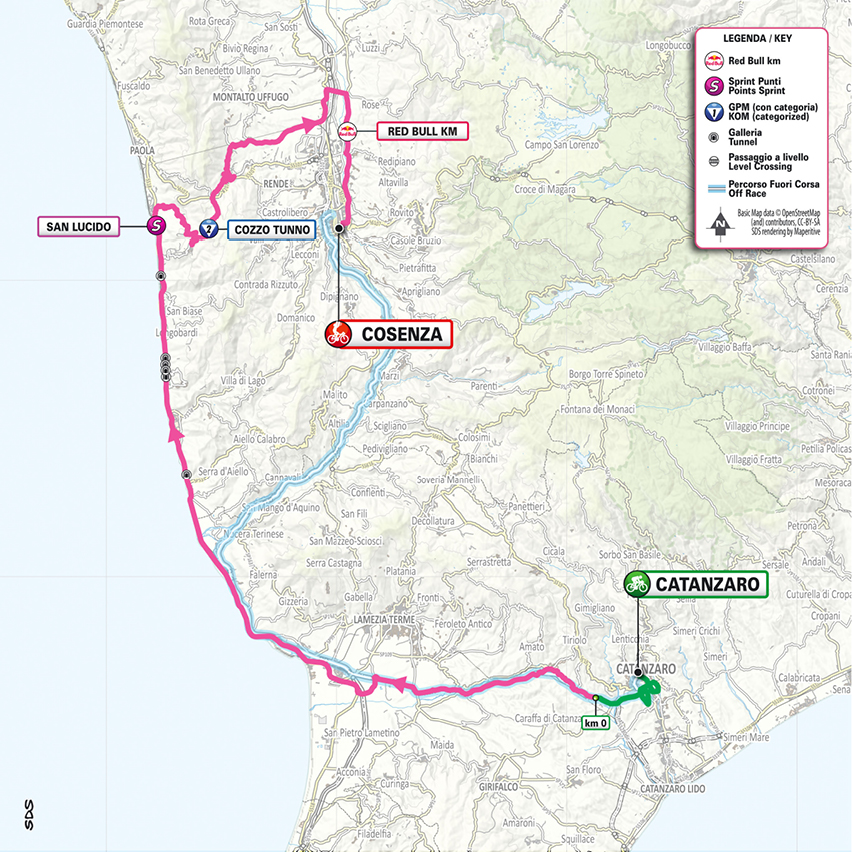
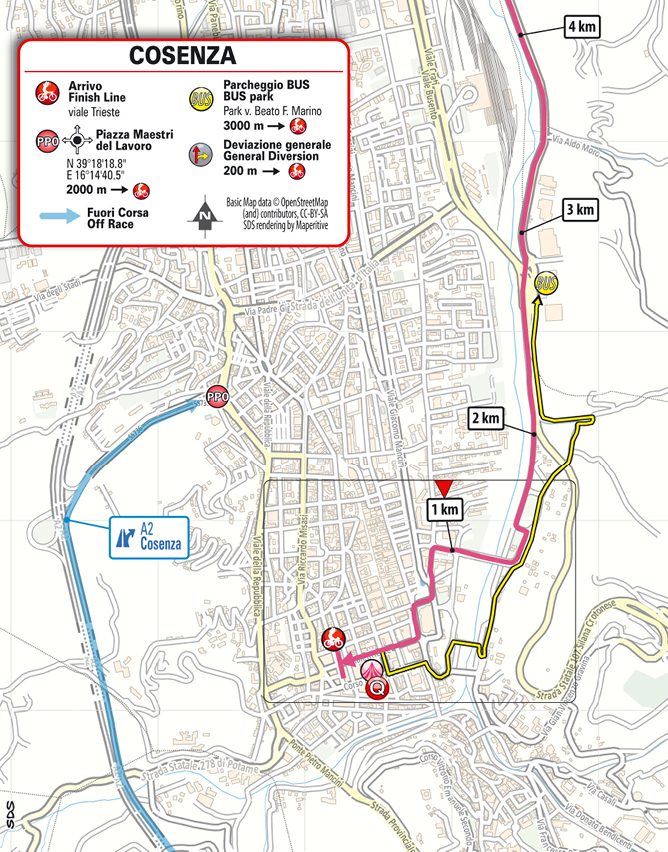
Catanzaro
Gastronomy
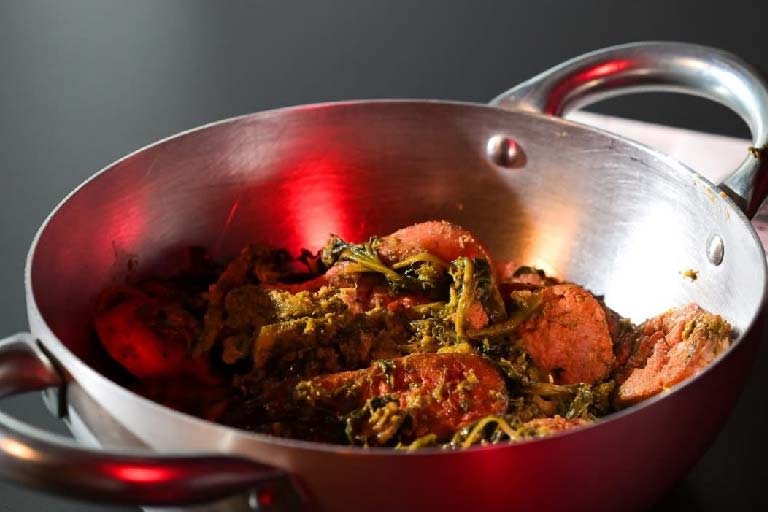
Catanzaro’s culinary tradition is deeply rooted in Calabria’s rustic, time-honoured cuisine, defined by bold flavours and strong local identity. Its signature dish is morzello (morzeddhu), a rich preparation of veal offal slow-cooked in a spiced tomato sauce and served inside pitta, a soft, ring-shaped bread typical of the area. Alongside the classic version, there is also a cod-based morzello, traditionally prepared for Good Friday. Among the heartier dishes, the tiàna catanzarese stands out—a baked combination of lamb, potatoes, artichokes, and pecorino cheese, cooked slowly to develop deep, comforting flavours. The city’s sweet traditions are equally distinctive, featuring specialties such as pitta ’nchiusa, a Christmas dessert filled with dried fruit and honey, cuzzupa, an Easter cake symbolising rebirth, and nepitelle, pastries stuffed with figs, nuts, and spices. Also widely enjoyed are zeppole, classic fried treats that bring a festive touch to celebrations.
Wine and other drinks
The Catanzaro area is deeply rooted in Calabria’s winemaking tradition, shaped by native grape varieties and products closely tied to local culture. Among the reds, Gaglioppo stands out—an ancient black grape capable of producing structured wines with a deep ruby hue and notes of red berries, cherry, and liquorice. Alongside it, Malvasia Bianca Lunga contributes to the region’s aromatic whites, often used in blends in the Savuto area and in Calabria IGT wines, bringing intense and complex fragrances. Beyond wine, the territory is also defined by distinctive local drinks: bergamot juice, made from the region’s iconic citrus fruit and prized for its fresh, fragrant character; Brasilena, a sparkling coffee-based beverage born in the Catanzaro area; and Amaro Imperium 1892, a traditional herbal liqueur crafted from local herbs and citrus, reflecting a long-standing artisanal heritage.
Highlights & Landmarks
Catanzaro’s heritage unfolds across historic landmarks, cultural spaces, and striking natural landscapes. Among its most representative sites is the San Giovanni Monumental Complex, built on ancient Norman-Swabian foundations and now a vibrant cultural hub combining historic structures with exhibition spaces, including the Castle Galleries. Equally significant is the Mediterranean Biodiversity Park, a 60-hectare area born from an urban regeneration project that blends nature, contemporary art, and scientific research. Just outside the city centre lies the Scolacium National Archaeological Park, tracing continuous settlement from the Greek city of Skylletion through the Roman colony of Scolacium to the Byzantine and Norman periods, with remarkable remains such as the forum, theatre, and abbey. On the natural side, the Giovino Dunes Reserve offers a rare example of a preserved coastal dune ecosystem along the Ionian shoreline.
Within the city, symbolic landmarks include the Cavatore Fountain, a tribute to human labour, and the Fausto Bisantis Viaduct, an impressive feat of engineering suspended over the valley and now an icon of Catanzaro. Cultural life thrives in venues such as MARCA – the Museum of Arts, housed in a former silk factory, and the Politeama Theatre, a striking example of contemporary architecture dedicated to the performing arts. Completing the picture are Villa Regina Margherita, a panoramic urban garden, and the Mimmo Rotella House Museum, celebrating the legacy of the renowned Catanzaro-born artist.
Cosenza
Gastronomy
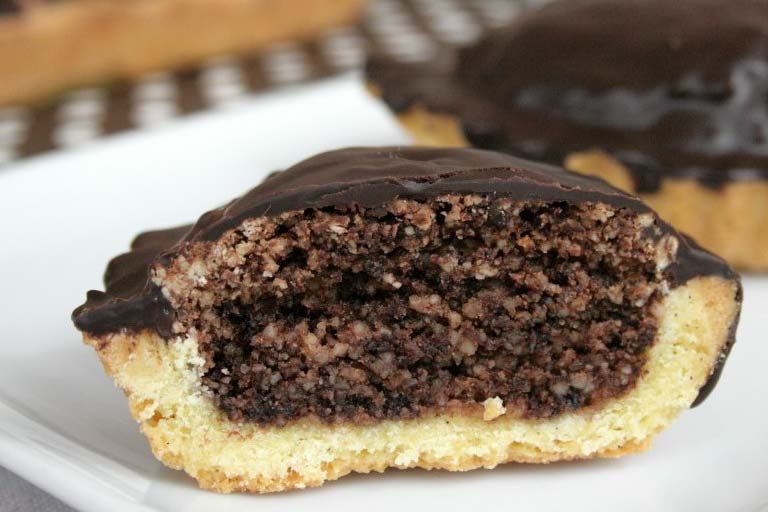
Cosenza’s culinary tradition is deeply rooted in Calabria’s rural heritage, built on simple ingredients and bold, unmistakable flavours. Among its most iconic dishes are lagane e ceci, one of the region’s oldest recipes, and fusilli al ferretto with rich ragù, a staple of traditional Sunday meals. Also typical are pasta e patate alla tijella, known for its creamy texture and hearty taste, and kid goat with potatoes, often prepared for festive occasions. Baccalà alla cosentina is a must during celebrations, while standout local products include salsiccia rossa, flavoured with sweet pepper. Everyday home cooking is reflected in dishes like aubergine meatballs and patate ’mpacchiuse, crisp and comforting. On the sweet side, Fichi di Cosenza DOP and varchiglia, made with almonds and chocolate, highlight the city’s rich dessert tradition.
Wine and other drinks
The Cosenza area is defined by the Terre di Cosenza DOC, the province’s leading expression of local winemaking. Its production includes red wines crafted from grape varieties such as Magliocco, Calabrese, and Greco Nero, alongside whites made from Greco Bianco, Pecorello, and Mantonico, as well as rosés and passito wines. Within this denomination, the Donnici subzone stands out for its long-standing winemaking tradition, producing intense, structured reds and fresh, aromatic rosés. Together, these wines reflect the diversity of the landscape and a deeply rooted viticultural heritage.
Highlights & Landmarks
Cosenza’s heritage is defined by its remarkable historical and cultural richness, which has earned it the nickname “Athens of Calabria.” Among its most prominent landmarks is the Norman-Swabian Castle, built on an earlier fortress and expanded over the centuries, commanding the city from a strategic hilltop position. The Cathedral, of medieval origin and rebuilt in the 13th century, is now a UNESCO-listed site and houses important historical treasures, including the tomb of Isabella of Aragon. Within the urban fabric, notable cultural spaces include the Alfonso Rendano Theatre, reconstructed in neoclassical style and home to major performances, and the San Domenico Monumental Complex, once a Dominican centre and later a hub for cultural and academic life. The Brettii and Enotri Museum offers a journey through the region’s history from prehistory to the Roman era, while the National Gallery at Palazzo Arnone displays works by Italian artists from the 16th to the 20th century.
Alongside its historic dimension, Cosenza embraces contemporary culture with the MAB – Bilotti Open-Air Museum along Corso Mazzini, featuring sculptures by leading 20th-century artists, and the Calatrava Bridge, a striking modern structure spanning the Crati River. Green spaces such as Villa Vecchia, a 17th-century urban garden recently restored, add to the city’s charm, while the Accademia Cosentina and the Civic Library stand as enduring pillars of its intellectual tradition.