Formia
Overview
Located in southern Lazio along the Gulf of Gaeta, Formia is a town of ancient origins with roots dating back to Roman times. Situated along the route of the Via Appia, it played a significant role as a stopover and holiday destination, as evidenced by the many archaeological remains found in the area. The town stretches between the coastal strip and the first slopes of the Aurunci Mountains, featuring a layered historic centre and a port that still represents an important hub for maritime connections today.
Gastronomy
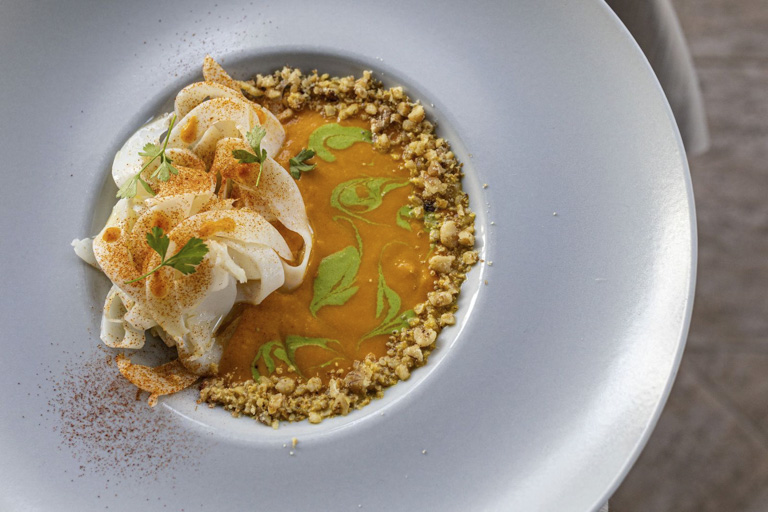
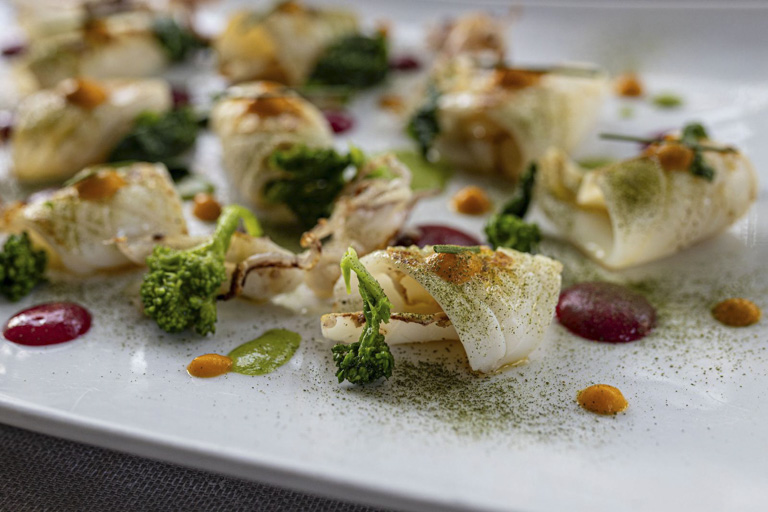
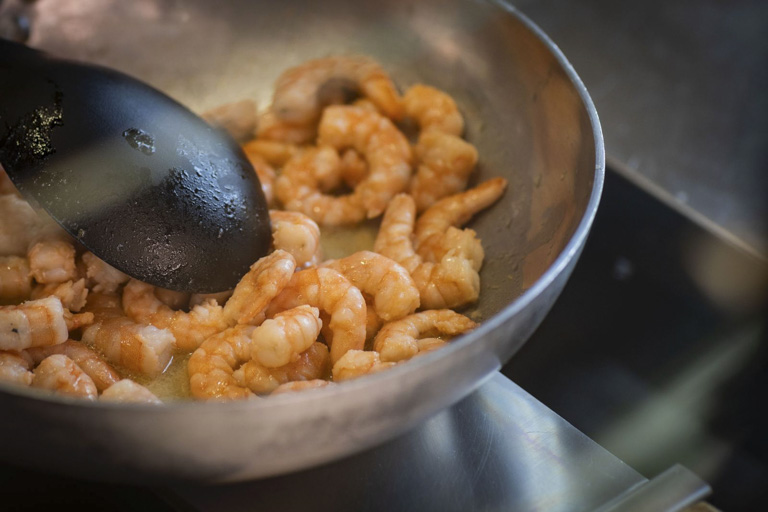
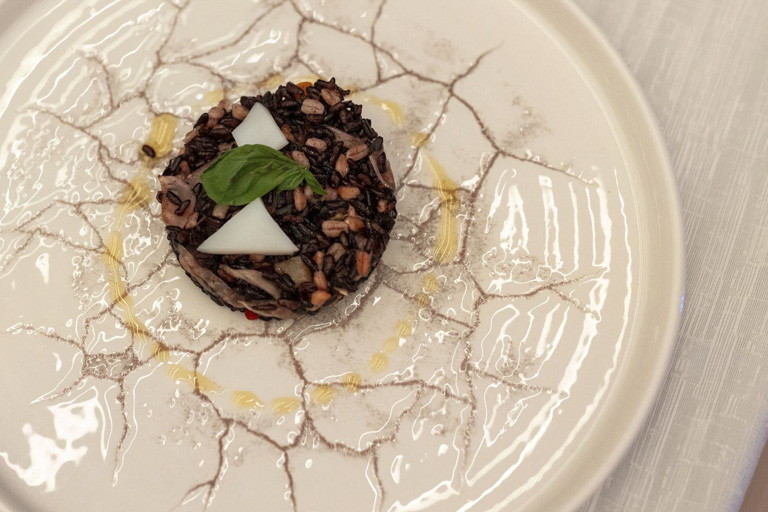
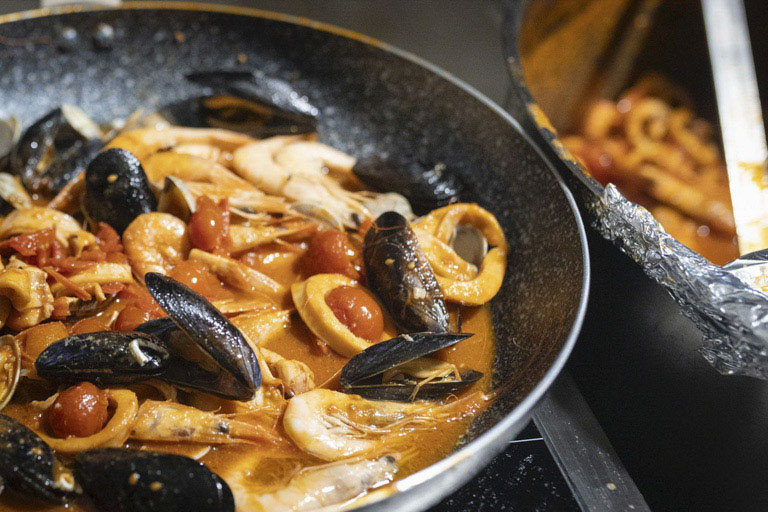
Formia’s culinary tradition reflects both its rural roots and its strong connection to the sea. Among its most distinctive dishes is tiesto, a hearty baked timballo of pasta, potatoes, and aubergines, slow-cooked in terracotta and originally created as a sustaining meal for field workers. Equally rooted in tradition are virtù, a dish made with a variety of legumes, linked to the rhythms of transhumance. From the coastal side, standout dishes include spaghetti alla formiana, prepared with local shellfish and seafood, as well as humble yet flavourful recipes like zerro alla scapece and alici arreganate, expressions of a resourceful, no-waste cooking tradition. Also widely enjoyed is pasta ’ncasata, a rich baked pasta with meat, eggs, and cheese, closely associated with local festive occasions.
Wine and other drinks
Among the wine expressions of the Formia area, Bellone Lazio IGT stands out—a white grape variety widely grown in the province of Latina and well suited to the coastal environment. Cultivated in warm, breezy conditions, it finds here an ideal setting to fully express its character. The resulting wine offers aromas of white fruit, balanced acidity, and a pronounced mineral edge. In the past, it was sometimes aged in chestnut barrels, developing subtle spicy notes. It is a wine particularly well suited to pairing with seafood dishes, perfectly reflecting the area’s maritime culinary tradition.
Highlights & Landmarks
Formia’s heritage is deeply shaped by its Roman past and its strategic position along the Via Appia, set between sea and mountains. Among its most remarkable landmarks is the Cisternone Romano in Castellone, an impressive 1st-century BC underground structure divided into aisles and pillars—an outstanding example of ancient hydraulic engineering. Also dating back to the Roman era are the Villa of Mamurra, a multi-level complex on the Gianola promontory featuring thermal baths, and the Mausoleum of Cicero, a monumental tomb along the Via Appia. The archaeological area of Caposele offers further insight into the past, with remains of a Roman domus now integrated into cultural spaces, while in the Castellone district lie the remains of a Roman amphitheatre known as “Il Cancello.”
Defensive architecture is represented by the Tower of Mola, built during the Angevin period, and the Tower of Castellone, which preserves elements from both Roman and medieval times.
The surrounding landscape adds to Formia’s appeal, with the Aurunci Mountains rising inland and protected natural areas such as the Riviera di Ulisse Regional Park and the Aurunci Mountains Park. Within the city, the Villa Comunale provides a historic green retreat, while the combination of archaeological sites and natural beauty paints the picture of a place deeply connected to its land and layered history.