






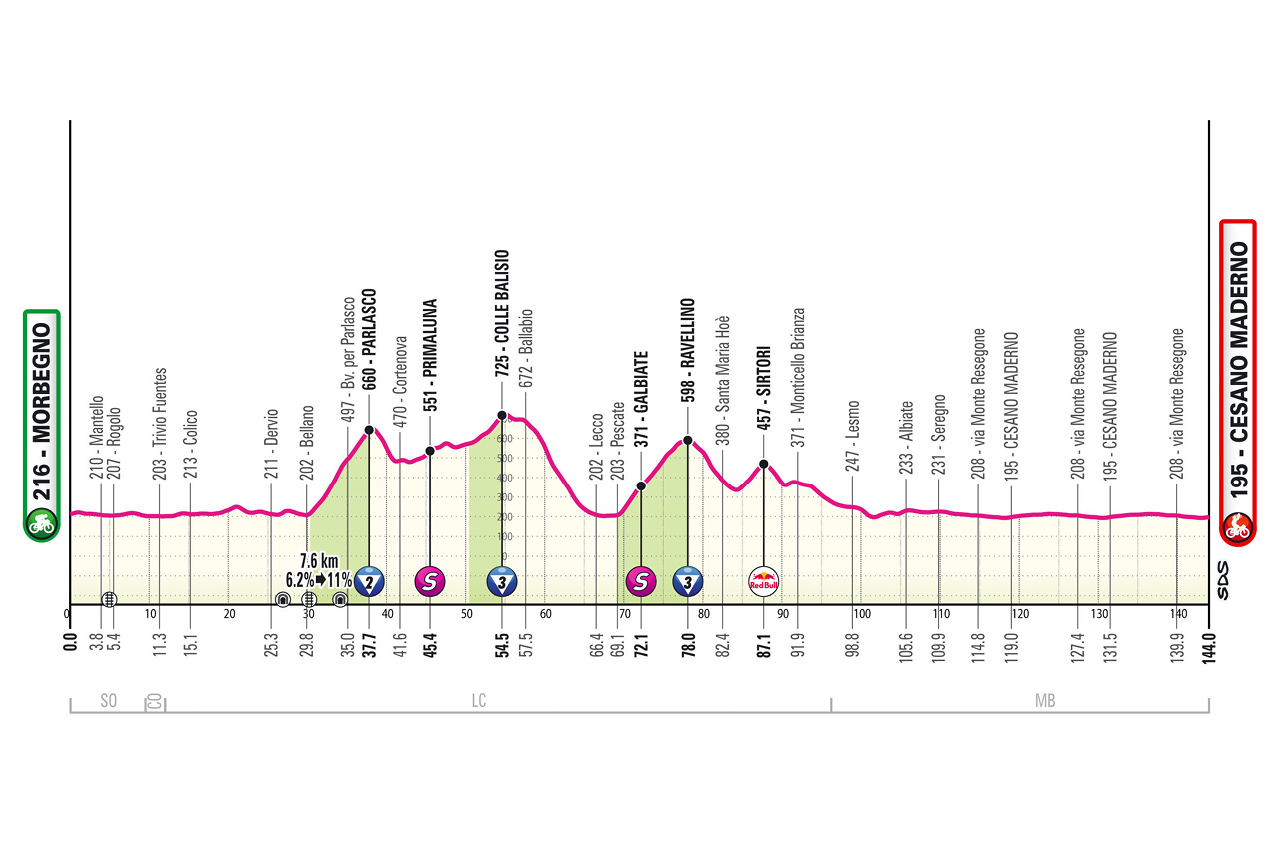
profile
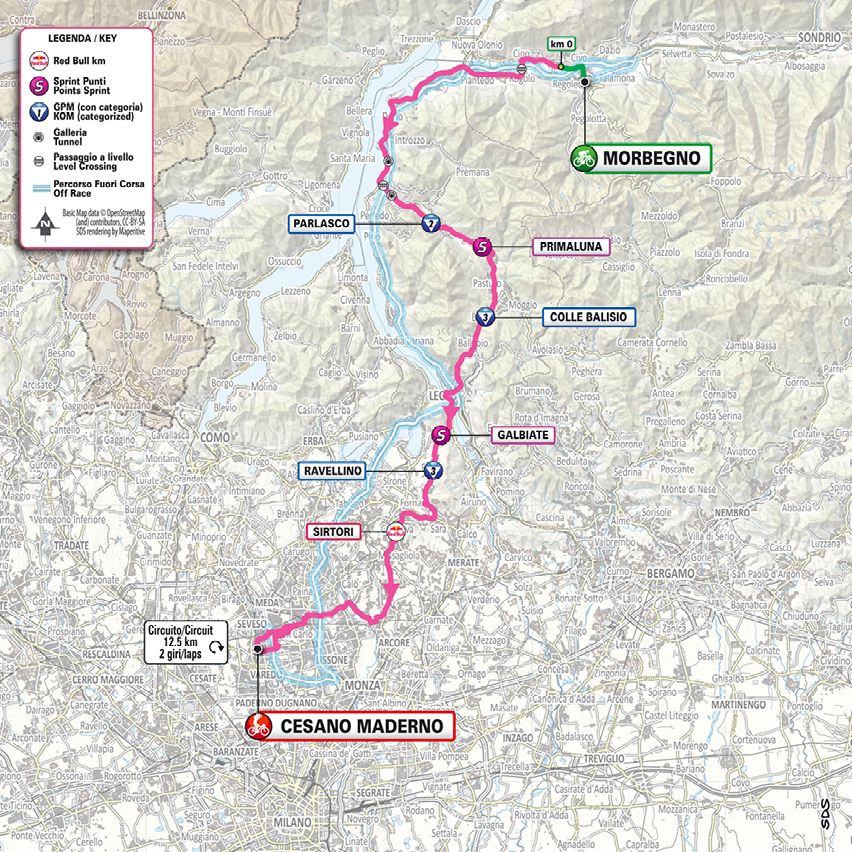
map
technical info
Early hills are followed by about 60 km of steady descending on flat terrain. Roads are mostly straight with varying widths and pass through many towns, with the usual urban traffic features.
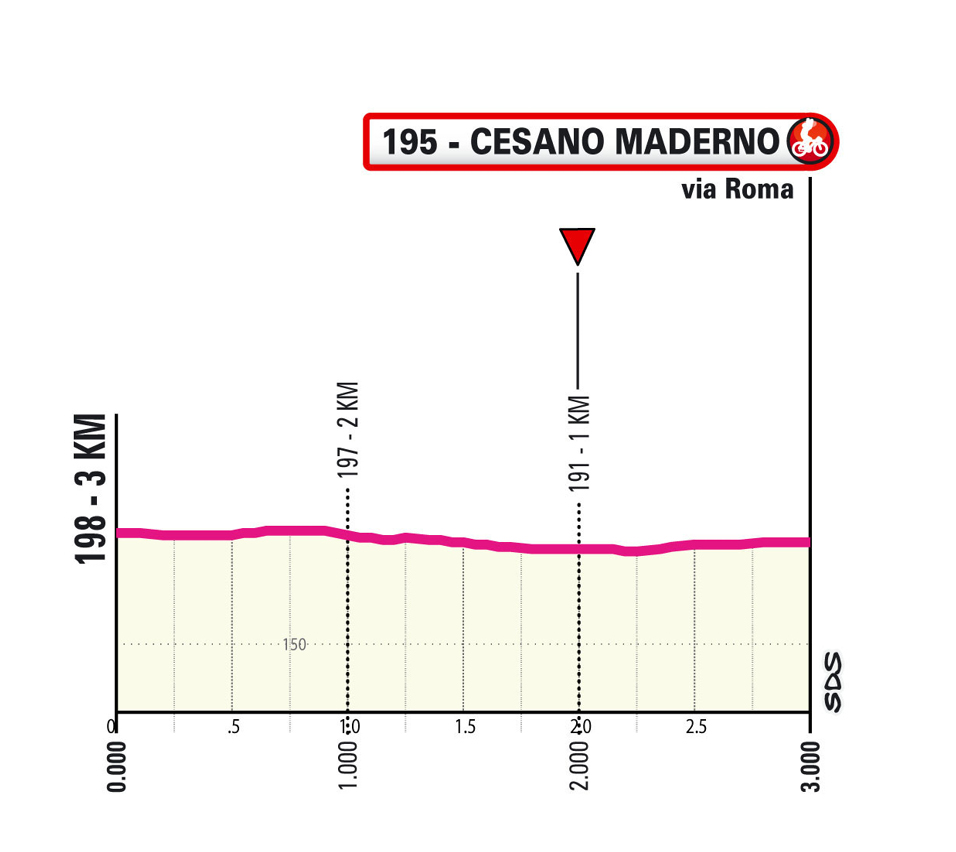
Final kilometres
A flat final circuit of about 13 km with several sharp corners that break up the long straights. In the last 3 km, there are only two curves, with the final one leading to a 750 m straight on 8-metre-wide asphalt.
start / finish

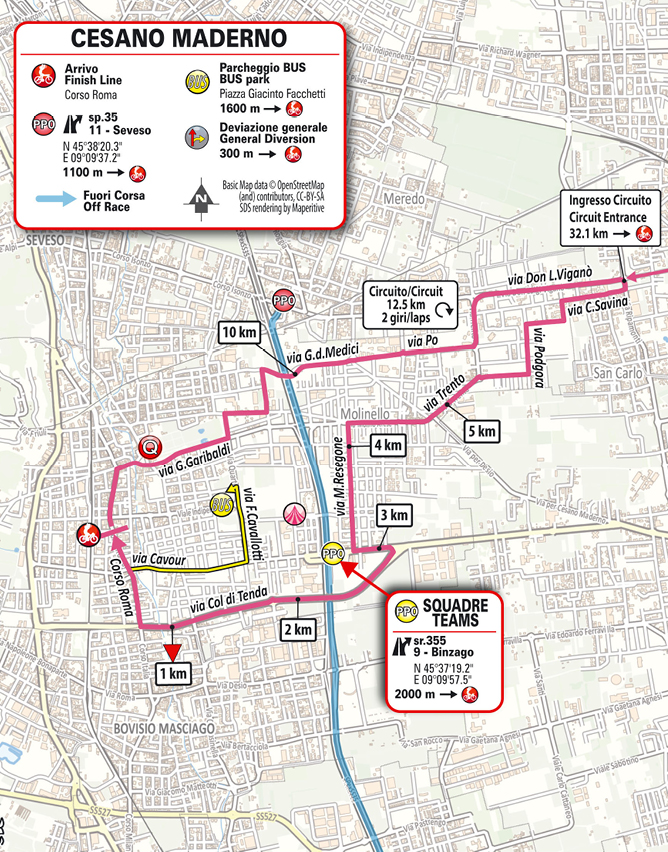
final kilometres
itinerary timetable

tourist info
Host city:
Morbegno
Overview
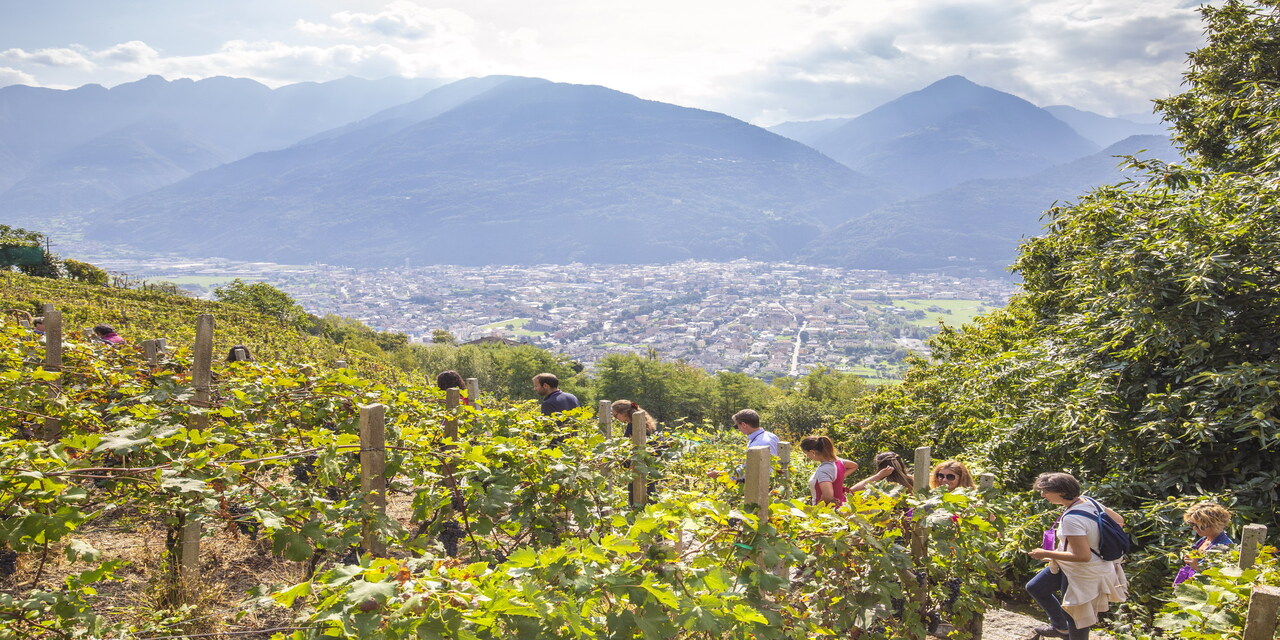
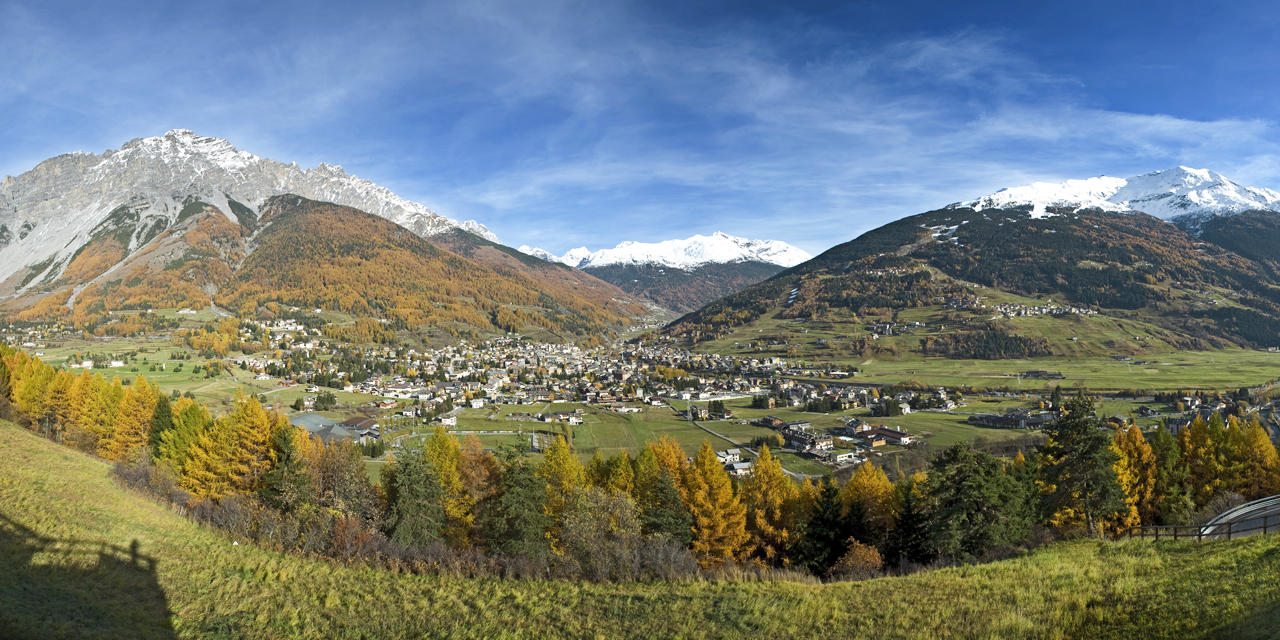
Morbegno, dynamic town, is rightly considered the “gate of Valtellina”: any itinerary in the territory of the most important Lombard valley can only start from here. The peculiarities of its environment make it an attraction for every type of tourism: alpine, cultural, artistic and food and wine. A paradise for mountaineers, skiers and hikers, the cradle of Valtellinese culinary art, Morbegno – as well as being the home of the Mostra del Bitto, the famous cheese made from fresh milk processed in summer in high mountain huts – is also a village rich in history and traditions. The historic center, with its churches, its palaces and its characteristic districts, invites you to take long walks, with an obligatory stop in any of the many taverns, wineries or many restaurants that celebrate the Valtellinese flavors. In a place like Morbegno, where nature is so intimately linked to local taste and culture, the Civic Museum of Natural History finds its ideal location, known as the most important scientific museum in the province of Sondrio and one of the most active in Lombardy which collects fossil and mineral finds from the entire valley. The city was awarded the title Alpine City of the year 2019. The cycle-pedestrian path of the “Via dei Terrazzamenti” starts from Morbegno and the territory is crossed by the cycle-tourism itinerary called “Sentiero Valtellina”.


Food
- pizzoccheri
- Local bresaola
- sciatt
- Taroz
- Local cheeses such as Bitto and Casera
- Rye bread
- polenta taragna
- Cupeta
- Bisciola
- Morbegno cake
Drink
- Valtellinese Wines
- Wines from the Terrazzato Retico of the Bassa Valle
Points of interest
- Places of historical interest
- Old Town
- Palazzo Malacrida
- Famous collegiate church of San Giovanni Battista
- The church of Saints Peter and Paul
- The Sanctuary of the Blessed Virgin Assumption and viale della Rimembranza
- Former Conventual Complex of Sant’Antonio (Auditorium in the ex-Church, South Cloister and North Cloister) – The Church of Sant’Antonio and the Dominican convent
- Former Campovico hydroelectric power station
- Cellars buried in the subsoil of the historic center – which can be visited during the Morbegno in Cantina event – the cellar attached to the historic shop “F.lli Ciapponi since 1883” can be visited all year round
- Places of interest modern era
- Votive temple
- Private and public buildings designed by arch. Luigi Caccia Dominioni in particular the Civic Library – bibliography – authors Alberto Gavazzi, Marco Ghilotti «Luigi Caccia Dominioni, architecture in Valtellina and Grisons», Milan, Skira, 2010
- Redevelopment of former Martinelli public and private parts industrial area designed by Citterio studio
- Places of landscape and environmental interest
- Park of supra-municipal interest – Bosca Park –
- Via dei Reti terraced vineyards (Torchio di Cerido stop) and Sentiero Valtellina
- Park of the Orobie Valtellinesi


Cesano Maderno
Overview
Cesano Maderno is a town in Brianza where history and nature intertwine harmoniously. Palazzo Arese Borromeo, with its frescoes and vast garden, celebrates the story of the region’s noble past, while the Lipu Oasis serves as a green haven, perfect for walks and wildlife observation. Its strategic location between Milan and Como, combined with a lively urban atmosphere, makes it a dynamic place where tradition and modernity coexist in perfect balance.

Gastronomy
Cesano Maderno has a rich and flavorful culinary tradition, deeply rooted in Lombard rural heritage. The local cuisine is hearty yet simple, based on seasonal and local ingredients, perfect for warming up the colder months and delighting the palate with authentic flavors.
One of the most iconic dishes is Cassoeula, a robust, hearty stew made with savoy cabbage and various pork cuts, including rind, ribs, trotters, and sausage. According to legend, this dish was created by a young cook who sought to impress a Spanish officer by using less noble parts of the pig combined with cabbage, which only becomes sweet and tender after the first frost. Cassoeula is traditionally served with steaming polenta, making it a perfect winter dish.
Another local specialty is Büseca, a tripe-based soup enriched with beans, tomatoes, and aromatic herbs. This dish was particularly loved by farmers, as it provided high nutritional value and sustained them during long working hours. Today, it is still enjoyed during festive occasions and town fairs, keeping an age-old tradition alive.
Luganega, the typical sausage of Brianza, is an essential ingredient in Cesano Maderno’s cuisine. Made from finely ground pork seasoned with white wine, garlic, and spices, it is most famously used in Risotto alla Monzese. This golden-hued risotto, enriched with saffron, stands out for the intense flavor of Luganega, which releases its aromatic essence while cooking with the rice.
For dessert, Torta Paesana is a rustic and comforting sweet made from stale bread, milk, cocoa, pine nuts, raisins, and amaretti cookies. Originally a way to avoid waste, this cake has become a symbol of home-style Lombard baking, especially prepared during festive periods.
Another local delight is Pan Tranvai, a raisin-enriched sweet bread whose name dates back to when it was sold at tram stops as a quick energy boost for workers. Soft and moderately sweet, it pairs perfectly with a glass of red wine.
Finally, Papurott is a typical Brianza sweet polenta, made with cornmeal, milk, sugar, and aromatic flavors. Its creamy consistency and delicate taste make it a beloved comfort food, particularly during cold winter evenings.
Wine and beverages
In Cesano Maderno, as in all of Brianza, local drinks reflect rural traditions and an appreciation for authentic flavors.
One of the most iconic drinks is Vin Brulé, a hot mulled wine made from red wine, sugar, and spices such as cinnamon, cloves, and orange peel. It is especially enjoyed in winter, often served at Christmas markets and town festivals to warm the body and spirit.
Another beloved drink is Grappa, often artisanal and locally produced from grape pomace. In the past, it was considered a true elixir to withstand cold weather, and today it remains a classic digestif, served straight or infused with herbs and fruits.
The Brianza Aperitivo is also popular, often featuring the Pirlo, a local variation of Spritz, made with still or sparkling white wine, bitter liqueur, and an orange slice. This drink pairs perfectly with regional cold cuts and cheeses, making it a staple of social gatherings.
A traditional end-of-meal ritual is the Resentin, a custom where a few drops of grappa are swirled in an empty espresso cup, creating a unique aromatic blend that combines coffee and liquor.
Points of interest
Among the most significant landmarks is Palazzo Arese Borromeo, one of the grandest historical buildings in Cesano Maderno. Built in the 17th century by the Arese Borromeo family, this magnificent baroque palace features stunning frescoes and elegant furnishings, reflecting the power and sophistication of its original owners. The palace is surrounded by a vast historical park, once a formal Italian garden, now a serene retreat for visitors, ideal for strolling amidst history and nature.
Another cultural landmark is the Auditorium Disarò, a modern venue that hosts musical, theatrical, and cultural events of all kinds. A key hub for Cesano Maderno’s cultural scene, the auditorium provides a dynamic space for local and regional performances, blending music, theater, and art in a vibrant community setting.
Located in the historic center, Palazzo Arese Jacini is another notable noble residence. Built in the 18th century, this elegant structure still retains its historical charm, with ornate decorations and frescoes that showcase the refined aesthetic of its time. Today, it houses municipal offices, preserving its historical and architectural prestige. For nature lovers, the Oasi Lipu is a must-visit. This natural reserve on the outskirts of Cesano Maderno serves as a wildlife sanctuary, perfect for birdwatching and exploring local flora and fauna. Its well-maintained trails offer visitors a chance to immerse themselves in nature, providing a peaceful escape from urban life while discovering the biodiversity of the region.
Lastly, an important spiritual and historical site is the Santuario della Madonna delle Grazie, also known as Santa Maria della Frasca. This charming 15th-century sanctuary, located in a picturesque setting, has long been a pilgrimage destination. It is renowned for its fresco of the Madonna delle Grazie, which, according to local tradition, has performed numerous miracles. The sanctuary remains a place of devotion, attracting many worshippers and visitors seeking moments of reflection and prayer.